, which rejects the idea that grains should form the cornerstone of the human diet.  

Grain products, which are seeds of grasses, are incompatible with human digestion.  Contrary to what we have been told for years, eating healthy whole grain is not the answer to whittle away our waists.  Consumption of all grain-based carbohydrates results in increased production of the fat storage hormone insulin.  Increased insulin levels create the perfect recipe for weight gain. By swapping out high carbohydrate grain foods that cause spikes in insulin with much lower carbohydrate foods, insulin release is subdued and allows the body to release fat.

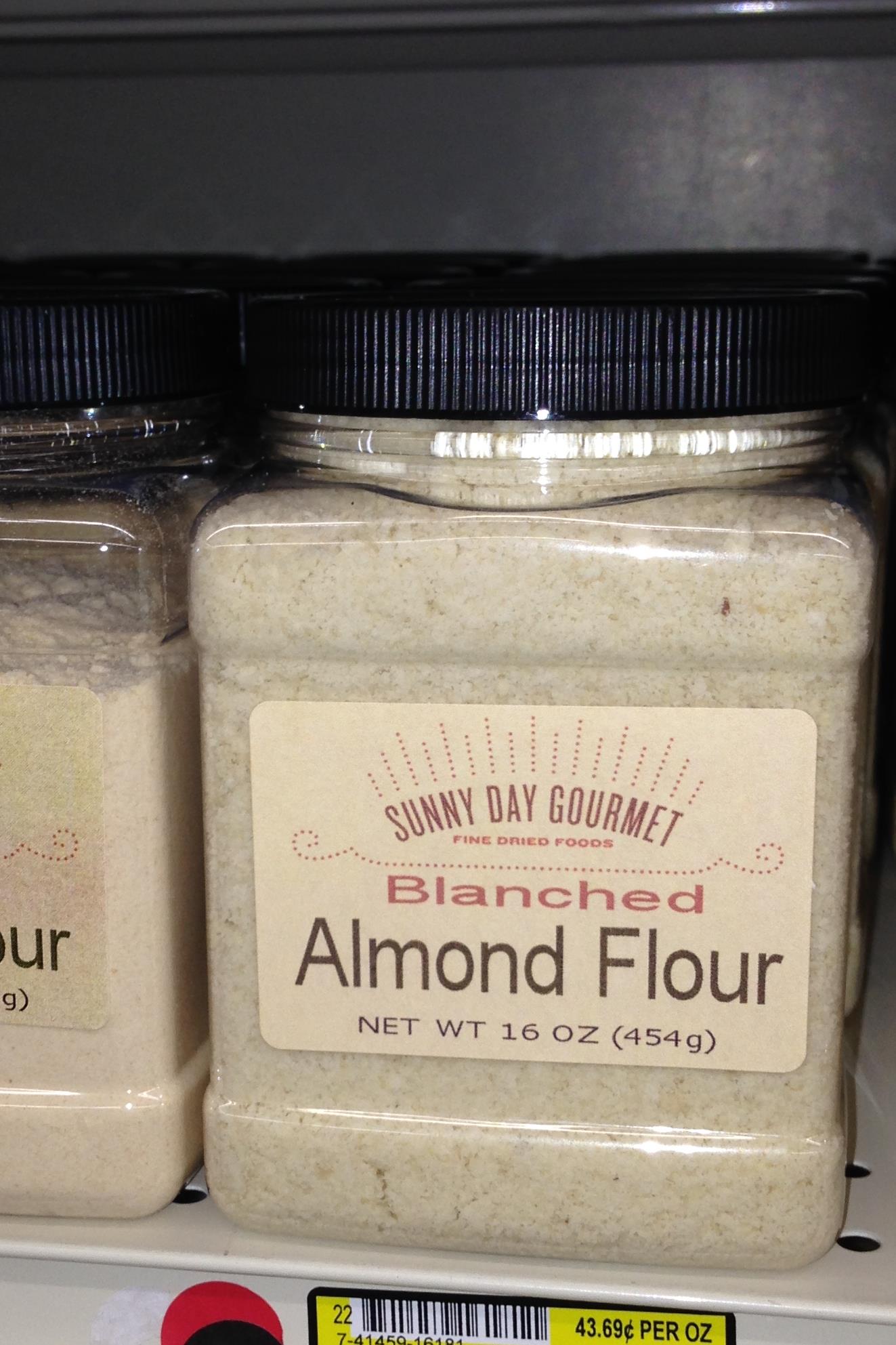
1. Swap wheat-based flour with almond flour/meal


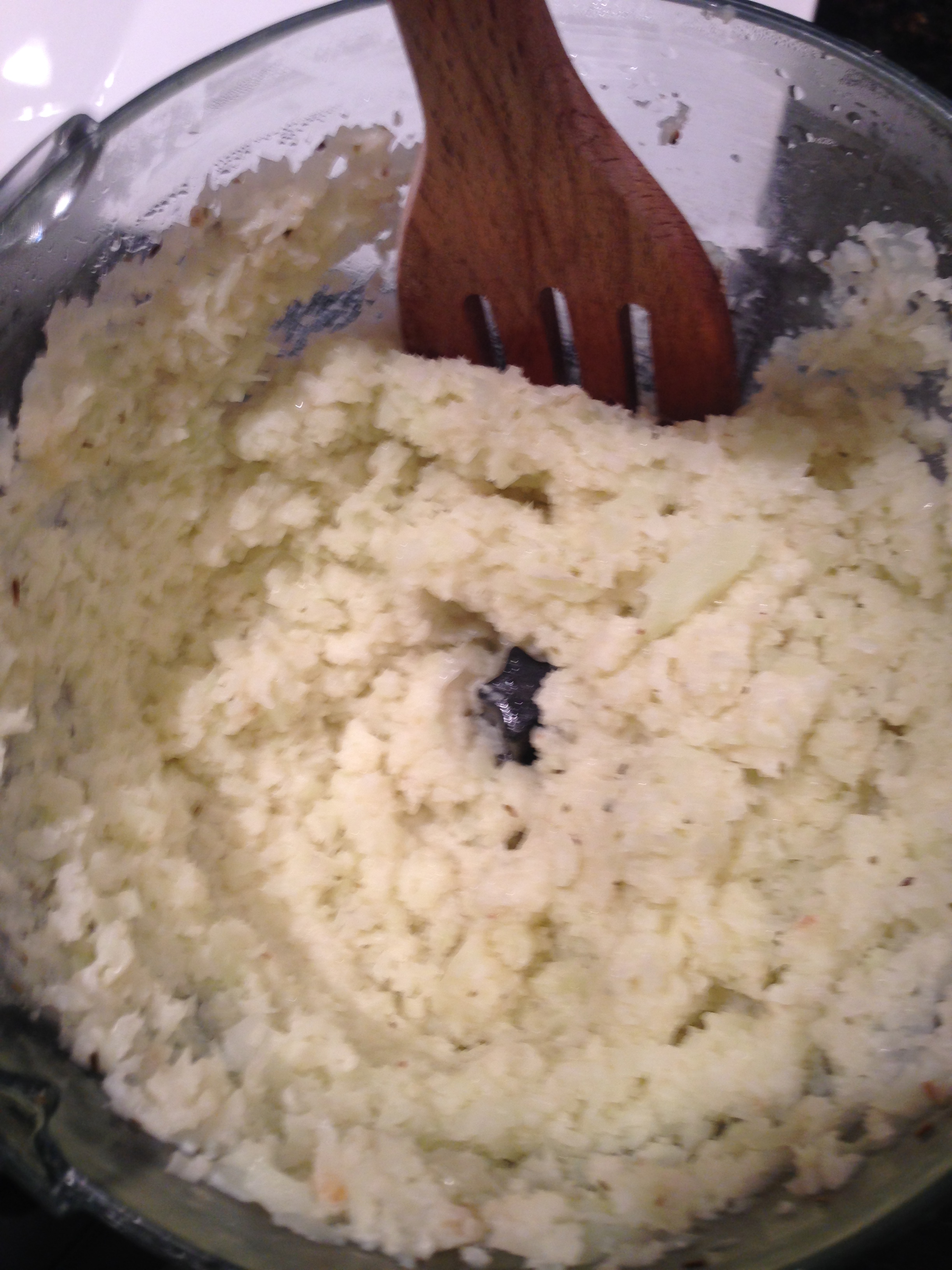
2. Swap potatoes and rice for cauliflower

3. Swap pasta for shirataki noodles and zucchini


Lisa Grudzielanek, MS,RDN,CD,CDE
Cureality Nutrition Specialist

Not so fast. Don’t make this mistake when going gluten free!

Beginning last month, the Food and Drug Administration began implementing its definition of “gluten-free” on packaged food labels.  The FDA determined that packaged food labeled gluten free (or similar claims such as "free of gluten") cannot contain more than 20 parts per million of gluten.

It has been years in the making for the FDA to define what “gluten free” means and hold food manufactures accountable, with respect to food labeling.  However, the story does not end there.

Yes, finding gluten-free food, that is now properly labeled, has become easier. So much so the market for gluten-free foods tops $6 billion last year.   However, finding truly healthy, commercially prepared, grain-free foods is still challenging.

A very common mistake made when jumping into the gluten-free lifestyle is piling everything labeled gluten-free in the shopping cart.  We don’t want to replace a problem: wheat, with another problem: gluten free products.

Typically gluten free products are made with rice flour (and brown rice flour), tapioca starch, cornstarch, and potato flour.  Of the few foods that raise blood sugar higher than wheat, these dried, powdered starches top the list.

 They provide a large surface area for digestion, thereby leading to sky-high blood sugar and all the consequences such as diabetes, hypertension, cataracts, arthritis, and heart disease. These products should be consumed very rarely consumed, if at all.  As Dr. Davis has stated, “100% gluten-free usually means 100% awful!”

There is an ugly side to the gluten-free boom taking place.  The Cureality approach to wellness recommends selecting gluten-free products wisely.  Do not making this misguided mistake and instead aim for elimination of ALL grains, as all seeds of grasses are related to wheat and therefore overlap in many effects.

Lisa Grudzielanek MS, RDN, CD, CDE
Cureality Health & Nutrition Coach

3 Foods to Add to Your Next Grocery List

Looking for some new foods to add to your diet? Look no further. Reach for these three mealtime superstars to encourage a leaner, healthier body.

Microgreens

Microgreens are simply the shoots of salad greens and herbs that are harvested just after the first leaves have developed, or in about 2 weeks.  Microgreen are not sprouts. Sprouts are germinated, in other words, sprouted seeds produced entirely in water. Microgreens are grown in soil, thereby absorbing the nutrients from the soil.

The nutritional profile of each microgreen depends greatly on the type of microgreen you are eating. Researchers found red cabbage microgreens had 40 times more vitamin E and six times more vitamin C than mature red cabbage. Cilantro microgreens had three times more beta-carotene than mature cilantro.

A few popular varieties of microgreens are arugula, kale, radish, pea, and watercress. Flavor can vary from mild to a more intense or spicy mix depending on the microgreens.  They can be added to salads, soup, omelets, stir fry and in place of lettuce.  

Cacao Powder

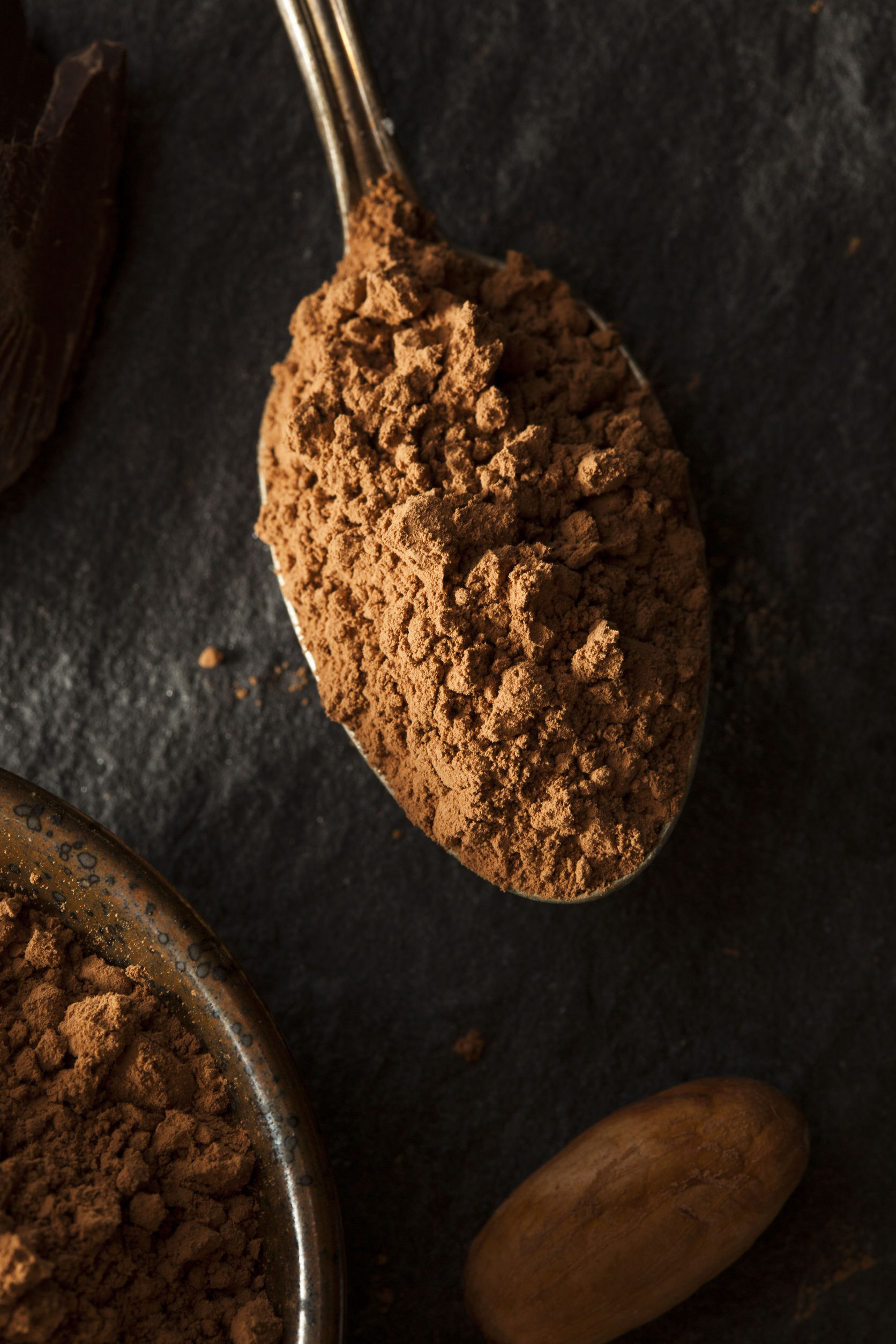
Cocoa and cacao are close enough in flavor not to make any difference. However, raw cacao powder has 3.6 times the antioxidant activity of roasted cocoa powder.  In short, raw cacao powder is definitely the healthiest, most beneficial of the powders, followed by 100% unsweetened cocoa.

Cacao has more antioxidant flavonoids than blueberries, red wine and black and green teas.  Cacao is one of the highest sources of magnesium, a great source of iron and vitamin C, as well as a good source of fiber for healthy bowel function.
Add cacao powder to milk for chocolate milk or real hot chocolate.  Consider adding to coffee for a little mocha magic or sprinkle on berries and yogurt.


Shallots


Shallots have a better nutrition profile than onions. On a weight per weight basis, they have more anti-oxidants, minerals, and vitamins than onions. Shallots have a milder, less pungent taste than onions, so people who do not care for onions may enjoy shallots.

Like onions, sulfur compounds in shallot are necessary for liver detoxification pathways.  The sulfur compound, allicin has been shown to be beneficial in reducing cholesterol.  Allicin is also noted to have anti-bacterial, anti-viral, and anti-fungal activities.

Diced then up and add to salads, on top of a bun less hamburger, soups, stews, or sauces.  Toss in an omelet or sauté to enhance a piece of chicken or steak, really the possibilities are endless.  

Lisa Grudzielanek,MS,RDN,CD,CDE
Cureality Nutrition & Health Coach

3 Band Exercises for Great Glutes

Bands and buns are a great combination.  (When I talk about glutes or a butt, I use the word buns)  When it comes to sculpting better buns, grab a band.   Bands are great for home workouts, at gym or when you travel.  Check out these 3 amazing exercises that will have your buns burning. 

Band Step Out

Grab a band and place it under the arch of each foot.  Then cross the band and rest your hands in your hip sockets.  The exercise starts with your feet hip width apart and weight in the heels.  Slightly bend the knees and step your right foot out to the side.  Step back in so that your foot is back in the starting position.  With each step, make sure your toes point straight ahead.  The tighter you pull the band, the more resistance you will have.    You will feel this exercise on the outside of your hips. 

Start with one set of 15 repetitions with each foot.  Work on increasing to 25 repetitions on each side and doing two to three sets.


Band Kick Back

This exercise is performed in the quadruped position with your knees under hips and hands under your shoulders.    Take the loop end of the band and put it around your right foot and place the two handles or ends of the band under your hands.  Without moving your body, kick your right leg straight back.  Return to the starting quadruped position.  Adjust the tension of the band to increase or decrease the difficulty of this exercise. 

Start with one set of 10 repetitions with each foot.  Work on increasing to 20 repetitions on each side and doing two to three sets. 


Band Resisted Hip Bridge

Start lying on your back with feet hip distance apart and knees bent at about a 45-degree angle.  Adjust your hips to a neutral position to alleviate any arching in your lower back.  Place the band across your hipbones.  Hold the band down with hands along the sides of your body.  Contract your abs and squeeze your glutes to lift your hips up off the ground.  Stop when your thighs, hips and stomach are in a straight line.  Lower you hips back down to the ground. 

Start with one set of 15 repetitions.  Work on increasing to 25 repetitions and doing two to three.  Another variation of this exercise is to hold the hip bridge position.  Start with a 30 second hold and work up to holding for 60 seconds.
Calculus of the cardiologist

I call this the "calculus of the cardiologist":

Heart procedures = big money

More procedures = more big money

You do the math. If you do more procedures, you get more money.
What if your patients don't need more procedures? That's easy. You lower the bar on reasons to do procedures. You scare the pants off people and lead them to think that all heart disease or questions about heart disease are potentially life-threatening. You could even appear to be doing the patient a big favor. "My Lord! This is potentially dangerous. We need to perform a procedure without delay!"

There are incentives beyond direct cash payment. A patient of mine today showed me a memo to employees in his company that showed why certain hospitals are targeted for care. The criteria for choosing centers was based on number of procedures performed. In other words, the more procedures performed at a hospital, the more procedures will be directed there. Of course, this makes sense at some level. More procedures can also mean greater skill.

But have we lost sight of the fact that the mission is not more procedures and more money, but to get rid of a disease? If the intensity of effort devoted to heart procedures were re-directed to early detection, prevention, and reversal of disease, we'd have half the hospitals we now have. We'd also chop a huge chunk out of the national healthcare budget.

Lipoprotein(a) treatment alternatives

A question from a reader:


Two years ago, my doctor recommended a comprehensive lipid screening because both of my parents had heart disease. My only blood component way out of line was LP (a) [lipoprotein(a)]. It was 130. According to the lab that conducted the screening, Berkeley Heart Lab, a level above 30 should be cause for concern. I was stunned that mine was more than quadruple the danger level.

I began taking two grams [2000 mg] of niacin a day in addition to the Lipitor I was already taking. The next reading, a few months later, was 87. Over a period of about 18 months, I had a total of four readings from Berkley Heart Lab. My LP (a) fluctuated in the 80-130 range – still way above normal. My doctor said there was little else I could do to control it.

That doctor has since retired. I now see another doctor who uses a different lab. My first LP (a) reading with him a few months ago was 17, which is normal. I am still taking the same amount of niacin and Lipitor and I can’t think of anything that would account for the huge discrepancy. I’m going to have another test again soon.

Is one of the labs giving erroneous readings? If so, how can I tell which? If Berkeley Heart Lab is correct, is there anything I can do about my increased coronary risk due to high LP (a)?

Tom D.

Tom's frustration on the variation of Lp(a) is due to the fact that laboratories run the Lp(a) test by several different techniques and will generate tremendous variation in values. The key is to stick to the same measure over and over from the same lab, else you'll be terribly confused and frustrated. Tom essentially should ignore the value obtained that was unexpectedly low.

Another issue: Lp(a) is a turtle. It responds very slowly. In fact, we rarely check it more than once or twice a year. Check it too soon after a treatment change and it won't fully reflect the effect. You've got to wait at least several months before re-checking.

How about treatment alternatives? They are:

--More niacin. Not my favorite choice, since niacin >2000 mg per day begins to generate more side-effects, but it is a choice. You can go to 4000-5000 per day, but only with your doctor's supervision due to liver effects.

--Testosterone for males. We use topical testosterone from Women's International Pharmacy in Madison, Wisconson. Prescription patches like Testim are also effective.

--Estrogen for females. This is less "clean" than testosterone, introducing questions about endometrial and breast cancer risk, but it is a choice.

--DHEA--A small effect but every little bit can help. We use 25-50 mg per day, depending on blood levels and only if you're 45 years old or older.

--l-carnitine--In my experience, a small effect. It requires 2000 mg per day, which is expensive. Sometimes, an expected large effect develops, so it's worth a try if it fits in your budget.

--Fibrates--These are the drugs Tricor and Lopid. I don't like these agents very much because I think they're weak, including the effect on Lp(a) reduction. But they are choices for you and your doctor.

Lastly, you can simply be guided by your heart scan score. For example, if Tom's initial heart scan score is 200, and he continues his current program and one year later his score is 300, then alternative treatments are worth considering. But what if Tom's score is 189--he's regressed his coronary plaque. Then, who cares what his Lp(a) is?

Another issue to keep in mind is that, in the presence of Lp(a), keeping LDL to very low numbers (e.g., 60 mg/dl) may added value in preventing coronary plaque growth.

Trapped in a low-fat world

If you would like to...

--Reduce (good) HDL

--Raise triglycerides, sometimes by hundreds of points

--Raise blood sugar into the pre-diabetic range

--Raise blood pressure

--Accelerate coronary plaque growth

then go on a low-fat diet like the one promoted by long-time super low-fat advocate, Dr. Dean Ornish. Every day I have to educate patients that a low-fat diet as advocated by Dr. Ornish is a destructive, counter-productive process that makes coronary plaque grow and increases your heart scan score.

If you want to gain control over coronary plaque, do not follow the Ornish program or anything resembling it. The Ornish program is a dead end.

Instead, the crucial components of a healthy diet for plaque control are:

--Low saturated and hydrogenated fat, but not low all fats.

--High monounsaturated and omega-3 fats

--Low glycemic index (i.e., slow sugar release)

--High fiber

That simple. An excellent program to put these limits to practical use is the South Beach Diet. Or, follow the more detailed guidelines on the Track Your Plaque website (open content section).

Blame the niacin

Despite the fact that niacin is:

1) A vitamin--vitamin B3

2) One of the oldest cholesterol-reducing agents around with a long-standing track record of effectiveness and safety

3) Available as a prescription drug as well as a variety of "nutritional supplements"

most physicians remains shockingly unaware of its benefits, effects, and side-effects. Most, in fact, are either ignorant or frightened of advising their patients on niacin use. As a result, I commonly have to tell my patients to resume the niacin that their primary care physician has (wrongly) stopped because of itchy feet, grumpiness, groin rash, urinary tract infections, nightmares, diarrhea, hair loss, runny nose, etc. All of these are REAL reasons doctors have advised patients to stop niacin (though none were actually due to niacin).

Is niacin really that troublesome? No, it's not. In fact, if used properly, it's among the most effective and safe tools available for correction of low HDL, small LDL and other triglyceride-containing lipoproteins, lipoprotein(a), and dramatic reduction of heart attack risk. If added to a statin agent, the heart attack risk reduction can approach 90%.

Statins are just too easy for doctors to prescribe. Niacin, on the other hand, requires a good 15-20 minutes to describe how to use it. It could generate an occasional phone call from a patient who struggles with the annoying but largely harmless and temporary "hot-flush" feeling, a lot like a hot blush. Given a choice, most doctors would simply choose not to be bothered. For this reason, I'll commonly see many, many people with uncorrected low HDLs and other patterns.

Have a serious discussion and press for confident answers if you find your doctor reflexively telling you that the wart on your thumb should be blamed on niacin.

Here are the steps we advise that really make taking niacin easy and tolerable:

1) Take with dinner.

2) Take with 2 extra glasses of water. If you experience the hot-flush later on, drink an additional 2 8-12 oz glasses of water i.e., a total of 16-24 oz). Extra hydration is extremely effective for blocking the hot-flush.

3) Take a 325 mg, uncoated aspirin. This is only necessary in the beginning or with any increase in dose, rarely chronically for any length of time.


This is not to say that there aren't occasional people who are truly and genuinely intolerant to niacin. It does happen. But those people are a small minority, less than 5% of people in my experience. Niacin is far more effective and safe than most physicians would have you believe.

Eat fish three times a day

Patients commonly ask, "Why can't I get vitamin D from food? I drink milk and eat fish."

They're absolutely right: both vitamin D and some oily fish contain vitamin D. However, it's a matter of quantity. An 8 oz. glass of milk contains 100 units of vitamin D (at least it's supposed to; this is not always true). A serving of oily fish like salmon or herring may contain up to 400 units. Thus, if you ate fish three times a day like the Eskimos or the Inuit, you might obtain sufficient vitamin D to prevent the broad and alarming spectrum of phenomena associated with deficiency.

I suspect that most people don't want to eat fish three times a day, nor drink the 20 to 50 glasses of milk per day that would be required to obtain a truly healthy quantity of vitamin D.

The vocal and outspoken Dr. John Cannell of the Vitamin D Council (www.vitamindcouncil.com) has written eloquently on the potential relationship between influenza and vitamin D deficiency. He and his co-authors on a recently published paper point out that the peculiar and unexplained seasonality of influenza corresponds to vitamin D levels. Read his eloquent discussion in Medical News Today at http://www.medicalnewstoday.com/medicalnews.php?newsid=51913.

In the article, Dr. Cannell explains:

"The vitamin D steroid hormone system has always had its origins in the skin, not in the mouth. Until quite recently, when dermatologists and governments began warning us about the dangers of sunlight, humans made enormous quantities of vitamin D where humans have always made it, where naked skin meets the ultraviolet B radiation of sunlight.
We just cannot get adequate amounts of vitamin D from our diet. If we don't expose ourselves to ultraviolet light, we must get vitamin D from dietary supplements...Today, most humans only make about a thousand units of vitamin D a day from sun exposure; many people, such as the elderly or African Americans, make much less than that. How much did humans normally make? A single, twenty-minute, full body exposure to summer sun will trigger the delivery of 20,000 units of vitamin D into the circulation of most people within 48 hours. Twenty thousand units, that's the single most important fact about vitamin D. Compare that to the 100 units you get from a glass of milk, or the several hundred daily units the U.S. government recommend as “Adequate Intake.” It's what we call an “order of magnitude” difference.

"Humans evolved naked in sub-equatorial Africa, where the sun shines directly overhead much of the year and where our species must have obtained tens of thousands of units of vitamin D every day, in spite of our skin developing heavy melanin concentrations (racial pigmentation) for protecting the deeper layers of the skin. Even after humans migrated to temperate latitudes, where our skin rapidly lightened to allow for more rapid vitamin D production, humans worked outdoors. However, in the last three hundred years, we began to work indoors; in the last one hundred years, we began to travel inside cars; in the last several decades, we began to lather on sunblock and consciously avoid sunlight. All of these things lower vitamin D blood levels. The inescapable conclusion is that vitamin D levels in modern humans are not just low - they are aberrantly low."


Like Dr. Cannell, I am absolutely convinced that vitamin D deficiency plays an important role in a number of illnesses, including coronary disease. The more we mind our patients/participants vitamin D status (blood levels of 25-OH-vitamin D3), the more easily we gain control over LDL cholesterol, pre-diabetic patterns, blood pressure, blood sugar, and coronary plaque. In fact, I am becoming rapidly convinced that vitamin D deficiency is an extremely important coronary risk factor.

Because I live in Wisconsin (bbrrrrr!) where seeing the sun is a cause for celebration and sun exposure is possible three months a year, I take 6000 units per day vitamin D. This is the amount necessary to raise my blood levels into the true, physiologic range of 50-70 ng/ml. My wife takes 2000 units per day, and each of my kids takes 1000 units per day, though I believe that my 14-year old son (my size now) should take more. We'll judge by blood levels.

If there is a little-known secret to reducing heart scan scores, vitamin D is that "secret".

To read more from Dr. Cannell or to subscribe to his free and very informative newsletter, go to Vitamin D Council

What if I had a cure for coronary disease?

If I had a cure for coronary disease, what would it look like? What would constitute cure? Would you recognize it if I showed it to you?

In the strictest sense, "cure" means an absolute elimination of any sign of coronary plaque, as well as elimination of any and all dangers associated with coronary disease. It would also mean elimination of the factors that created coronary atherosclerotic plaque in the first place.

In a more practical sense, you could argue that "cure" means a reduction of the amount of material that constitute coronary disease along with a dramatic reduction of the associated risks (i.e., heart attack).

You might call this second, more lax definition "regression" or "reversal".

Is "cure" in the strictest sense possible? No, not to my knowledge in 2006. Yes, there are many (kooks) who claim this is possible, but there's no objective evidence of this occurring.

Regression, or reversal, however, is indeed possible. In fact, I've seen it countless times following the participants in the Track Your Plaque program. If your heart scan score goes from 1000 (a bad score with high risk for heart attack) to 750, you've experienced a large reduction in the amount of atherosclerotic plaque that is behind coronary disease. You've also reduced your risk of an "event" like heart attack to near zero (provided you remain on the program that achieved regression in the first place).

Unfortunately, with present technology regression or reversal does not mean that the original causes of coornary plaque are eliminated. They're just controlled. Fish oil, for example, powerfully reduces triglyceride-containing lipoproteins that trigger coronary plaque growth. But if you stop fish oil, the evil lipoproteins come right back and start injuring your coronaries, causing more plaque growth.

The Track Your Plaque program is the closest thing I know of to a "cure" for coronary disease, that is, "cure" in the sense of regression or reversal. Perhaps in future we'll have a "cure" in the strict sense. Until now, this program is the best there is.

Alternatives to fish oil capsules

Occasionally, someone will be unable to take fish oil due to the large capsule size, excessive fishy belching, or stomach upset. The easiest solution is usually just to try a different brand, e.g., Sam's Club (Makers' Mark brand) enteric-coated.

However, sometimes liquid fish oil preparations may be preferred. Here'a list of products we've used successfully. All cost more than plain old fish oil capsules, but fish oil is so crucial to your heart scan/coronary plaque control efforts, that it really pays to search out alternatives.


Liquid fish oil alternatives to capsules:

Liquid fish oil--e.g., Carlson's liquid fish oil. Most liquid fish oil comes flavored either lemon or orange.


Frutol--A very clever re-formulation of fish oil that makes it water-soluble and non-oily. The Pharmax company has put their fish oil into a fruit flavored base that tastes pretty good and is not too expensive.
Go to www.pharmaxllx.com for more information. Unfortunately, I do not believe it's available in stores.


Coromega--another non-oily preparation, though available in some health food stores. Coromega comes in little single-serving foil dispensers. It tastes kind of fruity (though I personally like the Frutol better for taste and consistency). It's kind of pricey ($1.40 per day for two packets).


Regardless of what preparation you choose, you can determine the dose needed by adding up the EPA+DHA content. For the basic prevention effect, the starting dose for the Track Your Plaque program, you need a total of 1200 mg per day of EPA+DHA. Higher doses, e.g., 1800-2400 mg per day, may be required for correction of high triglyceres or postprandial (after-eating) abnormalities.

Ignoring your heart scan is medical negligence

I continue to be dumbfounded that many doctors continue to pooh-pooh or ignore CT heart scans when people get them.

I can't count the number of people I've seen or talked to through the Track Your Plaque program who've been told to ignore their heart scan scores. The most extreme example was a man whose physician told him his heart scan score of nearly 4000 was nothing to worry about!


A real-life story of a retired public defense attorney whose heart scan score of 1200 was ignored, followed two years later by sudden unstable heart symptoms and urgent bypass prompted us to write this fictitious lawsuit. Though it's not real, it could easily become real. To our knowledge, no single act of ignorance about heart scans has yet prompted such a lawsuit, but it's bound to happen given the number of scans being performed every year and the continued stubbornness of many physicians to acknowledge their importance.


Major Malpractice Class Action Lawsuit Looms for Doctors Who Ignore Heart Scan Tests

It's been several years since new medical discoveries have debunked old theories regarding heart disease and heart attack and have verified the efficacy of CT heart scans for detecting both early and advanced heart disease. Doctors who fail to keep apprised of these finding or refuse to change their practice for financial reasons put themselves at risk for becoming defendants in a major malpractice class action lawsuit. The plaintiffs will be a growing class of persons who were debilitated by avoidable heart attacks and heart procedures and the heirs and estates of those who have died.
Milwaukee , WI (PRWEB) November 29, 2005 -- This press release outlines a template for a potential class action lawsuit that may be on the horizon for the medical industry. The class of plaintiffs for this theoretical action remains latent but is growing on a daily basis. However, it requires only one such plaintiff to find an attorney who recognizes the scale and magnitude of the potential damages and move forward on a contingency basis. In real terms, this class could include 80% of those who had a heart attack, underwent a heart procedure, or subsequently died. According to the latest American Heart Association statistics, this number is estimated to be a least 865,000 persons and the entire class could easily be 10 times that number. Using a conservative estimate of $500,000 in damages per class member, the total damages could exceed $400 billion.

The plaintiffs, defendants, third parties, and facts surrounding the following moot complaint represent an actual incident. The names, specific health information, and dates have been changed to protect potential litigants.

Plaintiff, through his attorneys, brings this action on behalf of himself and all others similarly situated, and on personal knowledge as to himself and his activities, and on information and belief as to all other matters, based on investigation conducted by counsel, hereby alleges as follows:

NATURE OF THE ACTION

1.Plaintiff brings this class action on behalf of himself and all other persons who suffered physical damages or mental distress as a result of receiving a medical diagnosis indicating they had no identifiable heart disease, elevated risk for heat attack, or who were prescribed medications not suited to treat their heart disease once detected.

2.Substantial and irrefutable medical evidence has established that cardiac stress testing is an ineffective method for detecting heart disease of the type that is the root cause in over 90% of all heart attacks and other complications of heart disease that result in death or debilitating injury. A readily available and well-publicized test known as “CT heart scanning” is capable of detecting virtually all heart disease of this nature. It has also been established that simple cholesterol testing often fails to detect persons like likely to develop serious heart disease and prevents them from receiving common treatments capable of reducing or eliminating the source of their undetected heart disease. Readily available blood testing techniques exist that are capable of detecting non-cholesterol related sources of heart disease.

3.The medical community has made significant investments in outdated methods of detecting and treating heart disease. They rely on the revenue streams generated by providing these treatments to persons whose heart disease has progressed to the stage that intervention is required to prevent death or debilitation. Any change in diagnostic or treatment methods resulting in the prevention of heart disease would require substantial investments in new technologies and would severely reduce the market for current treatments. Plaintiffs believe this is a motivating factor in the neglect and willful suppression of readily available technology capable of detecting and preventing heart disease and represents gross medical malpractice.

SUBSTANTIVE ALLEGATIONS

On January 23, 1999, Plaintiff underwent a CT Heart Scan which was interpreted by a cardiologist at the ABC Scan Center . Plaintiff received a report from the Scan Center cardiologist indicating that his “calcium score” placed him in the top 1% for heart attack risk among men in his age group. The report also included the comment “Patient has a high risk of having at least one major stenosis (50% or greater blockage) in his Left Anterior Descending (LAD) artery and is urged to consult with a physician regarding this finding.”

On March 3, 1999 Plaintiff presented Defendant with the results of the January 23, 1999 CT Heart Scan. Defendant told Plaintiff to disregard the CT Heart Scan Results and ordered a physical including a stress test and cholesterol blood test.

On April 1, 2005, Plaintiff had a heart attack and a subsequent coronary angiography that confirmed multiple obstructive coronary plaques in his LAD. Plaintiff received an emergency balloon angioplasty to relieve his acute condition. Substantial damage to plaintiff's heart was incurred before emergency angioplasty could be instituted.

On April 3, 2005, per Defendant's recommendation, Plaintiff underwent open heart surgery to insert three bypasses in his LAD to resolve substantial obstructive heart disease, the same artery identified as having likely obstructive heart disease over 5 years earlier via CT heart scan.

On July 7, 2005, Plaintiff independently obtained additional blood testing not ordered by Plaintiff and was found to have several additional blood abnormalities not discovered by Defendant that are known to contribute to the development of heart disease and were readily treatable using lifestyle changes, nutritional supplements, and prescription drugs.

As early as September, 1996, the American Heart Association (AHA) issued a “Scientific Statement” to health professionals acknowledging the strong link between heart attacks and high calcium scores in asymptomatic patients. Extensive studies and references have confirmed the ineffectiveness of stress testing to reveal early heart disease in asymptomatic patients.

Plaintiff alleges that Defendant failed to utilize readily available medical tests and protocols to identify, aggressively treat, and potentially delay, halt, or reverse advanced heart disease that later resulted in extensive physical and emotional trauma to the Defendant.

PRAYER FOR RELIEF

WHEREFORE, Plaintiff herein demands judgment:

A. Declaring this action to be a proper class action maintainable pursuant to Rule 23 of the Federal Rules of Civil Procedure and declaring Plaintiff to be a proper Class representative;

B. Awarding damages against each defendant, joint and severally, and in favor of Plaintiff and all other members of the Class, in an amount determined to have been sustained by them, awarding money damages as appropriate, plus pre-judgment interest;

C. Awarding Plaintiff and the Class the costs and other disbursements of this suit, including without limitation, reasonable fees for attorneys, accountants, experts; and

JURY DEMAND

Plaintiff hereby demands a trial by jury.

Light the fuse of heart disease

Father Bob, despite his calling as a priest and counselor, led a stressful life. His average day was packed tightly with commitments: counseling members of his congregation, visiting the hospital, more official priest and church duties.

At age 53, his heart scan score of 799 came as a complete surprise. Even more of a surprise, his stress test was dramatically abnormal showing poor flow in the front of his heart at a level of exercise that wouldn't challenge most 75 year olds. His blood pressure with exericse: 230/100. Bob was shocked.

A few stents to the LDL later, Bob was trying to turn a new leaf on lifestyle. His life prior to the diagnosis of heart disease was driven by convenience. Because his day was so filled with commitments, he simply grabbed what he could from hospital cafeterias, fast foods, etc.

But after his procedure, Bob committed to choosing healthier foods, walk every day, and resist the food temptations presented by convenience.

However, temptation defeated him twice in the first few weeks after his stents. On the first occasion, Bob gave into eating a cheeseburger. On the second, Bob was at a fish fry (this is Wisconsin, after all) and ate a large serving of deep-fried fish.

On both occasions, Bob started feeling awful within minutes after eating: foggy, bloated, gassy, and fatigued. He took his blood pressure after each incident: 210/90, even though his blood pressure had more recently been trending down towards 130/80.

What happened? Grotesquely unhealthy foods like the deep-fried fish and cheeseburger provoke an abnormal constrictive process body wide. Some call this "endothelial dysfunction". Regardless, it is a graphic and frightening demonstration of the power of these sorts of unhealthy foods to wreak immediate and dangerous effects. Father Bob's response was more exagerrated than most, but it happens to all of us.

Eat badly and your body will pay the price. Even that occasional hot chocolate sundae or Egg McMuffin will yield cumulative injury, among which will be a rise in your heart scan score.

"I don't know what I'm doing here"

Jim came to the office at the prompting of his wife.

At age 52, Jim was semi-retired, having to work only a few hours a week to maintain his business. He'd had a high cholesterol identified about 10 years earlier and had been taking one or another statin drug ever since.

However, Jim's wife was a pretty savvy girl and understood the inadequacies of the conventional approach to heart disease prevention. Nonetheless, when Jim came in, he declared, "I feel great. I don't know what I'm doing here!"

I persuaded Jim to undergo a heart scan. His score: 2211, in the 99th percentile (the worst 1% for men in his age group). However, it was worse than that. Any score above 1000 carries a heart attack risk of 25% per year unless prevention issues are fully addressed.

Indeed, Jim proved to have far more than a high LDL cholesterol. Among the patterns uncovered with his lipoprotein analysis were small LDL, the postprandial (after-eating) abnormality of intermediate-density lipoprotein (IDL), and high triglycerides and VLDL. All would require correction if Jim is to hope to gain control of his extensive coronary plaque.

The message: Trying to discern risk for heart disease from cholesterol is complete folly. This man was going to die or have an urgent major heart procedure within the next year or two, all while taking his statin drug.

Discard the silly notion that cholesterol tells you everything you need to know about heart attack risk. It does not. It helps a little but leaves vast voids in risk determination. Fill those gaps with a heart scan, plain and simple.
All posts by william-davis

Fish oil: The natural triglyceride form is better

If you have a choice, the triglyceride form of fish oil is preferable. The triglyceride form, i.e., 3 omega-3 fatty acids on a glycerol "backbone," is the form found in the body of fish that protects them from cold temperatures (i.e., they remain liquid at low ambient temperatures).

Most fish oils on the market are the ethyl ester form. This means that the omega-3 fatty acids have been removed from the glycerol backbone; the fatty acids are then reacted with ethanol to form the ethyl ester.

If the form is not specified on your fish oil bottle, it is likely ethyl ester, since the triglyceride form is more costly to process and most manufacturers therefore boast about it. Also, prescription Lovaza--nearly 20 times more costly than the most expensive fish oil triglyceride liquid on a milligram for milligram basis--is the ethyl ester form. That's not even factoring in reduced absorption of ethyl esters compared to triglyceride forms. Remember: FDA approval is not necessarily a stamp of superiority. It just means somebody had the money and ambition to pursue FDA approval. Period.

Taking any kind of fish oil, provided it is not overly oxidized (and thereby yields a smelly fish odor), is better than taking none at all. All fish oil will reduce triglycerides, accelerate clearance of postprandial (after-eating) lipoprotein byproducts of a meal (via activation of lipoprotein lipase), enhance endothelial responsiveness, reduce small LDL particles, and provide a physical stabilizing effect on atherosclerotic plaque.

But if you desire enhanced absorption and potentially lower dose to achieve equivalent RBC omega-3 levels, then triglyceride forms are better.

Here are cut-and-pasted abstracts of two of the studies comparing forms of fish oil.

Bioavailability of marine n-3 fatty acid formulations.

Dyerberg J, Madsen P, Moller JM et al. 
Department of Human Nutrition, Faculty of Life Sciences, University of Copenhagen, Copenhagen, Denmark.

Abstract

The use of marine n-3 polyunsaturated fatty acids (n-3 PUFA) as supplements has prompted the development of concentrated formulations to overcome compliance problems. The present study compares three concentrated preparations - ethyl esters, free fatty acids and re-esterified triglycerides - with placebo oil in a double-blinded design, and with fish body oil and cod liver oil in single-blinded arms. Seventy-two volunteers were given approximately 3.3g of eicosapentaenoic acid (EPA) plus docosahexaenoic acid (DHA) daily for 2 weeks. Increases in absolute amounts of EPA and DHA in fasting serum triglycerides, cholesterol esters and phospholipids were examined. Bioavailability of EPA+DHA from re-esterified triglycerides was superior (124%) compared with natural fish oil, whereas the bioavailability from ethyl esters was inferior (73%). Free fatty acid bioavailability (91%) did not differ significantly from natural triglycerides. The stereochemistry of fatty acid in acylglycerols did not influence the bioavailability of EPA and DHA.
(Full text of the Dyerberg et al study made available at the Nordic Naturals website here.)


Eur J Clin Nutr 2010 Nov 10. 

Enhanced increase of omega-3 index in response to long-term n-3 fatty acid supplementation from triacylglycerides versus ethyl esters.

Neubronner J, Schuchardt JP, Kressel G et al. 
Institute of Food Science and Human Nutrition, Leibniz Universität Hannover, Am Kleinen Felde 30, Hannover, Germany.

Abstract

There is a debate currently about whether different chemical forms of eicosapentaenoic acid (EPA) and docosahexaenoic acid (DHA) are absorbed in an identical way. The objective of this study was to investigate the response of the omega-3 index, the percentage of EPA+DHA in red blood cell membranes, to supplementation with two different omega-3 fatty acid (n-3 FA) formulations in humans. The study was conducted as a double-blinded placebo-controlled trial. A total of 150 volunteers was randomly assigned to one of the three groups: (1) fish oil concentrate with EPA+DHA (1.01?g+0.67?g) given as reesterified triacylglycerides (rTAG group); (2) corn oil (placebo group) or (3) fish oil concentrate with EPA+DHA (1.01?g+0.67?g) given as ethyl ester (EE group). Volunteers consumed four gelatine-coated soft capsules daily over a period of six months. The omega-3 index was determined at baseline (t(0)) after three months (t(3)) and at the end of the intervention period (t(6)). The omega-3 index increased significantly in both groups treated with n-3 FAs from baseline to t(3) and t(6) (P < 0.001). The omega-3 index increased to a greater extent in the rTAG group than in the EE group (t(3): 186 versus 161% (P < 0.001); t(6): 197 versus 171% (P < 0.01)). Conclusion: A six-month supplementation of identical doses of EPA+DHA led to a faster and higher increase in the omega-3 index when consumed as triacylglycerides than when consumed as ethyl esters.

Diarrhea, asthma, arthritis--What is your wheat re-exposure syndrome?

Have you experienced a wheat re-exposure syndrome?

As I recently discussed, gastrointestinal distress--cramps, gas, diarrhea--is the most common "syndrome" that results from re-exposure to wheat after a period of elimination.

Others experience asthma, sinus congestion and infections, mental "fogginess" and difficulty concentrating, or joint pains and/or overt swelling.

Still others say there is no such thing.

Let's take a poll and find out what readers say.

Marathoners, triathletes, and heart disease

Curious thing: People with lipoprotein(a) gravitate towards elite levels of exercise.

I tell my lipoprotein(a) patients that, if they want to see a lot of other people with lipoprotein(a), go to a marathon or triathlon.

This effect applies more to males than to females, just as the fascination with numbers seems to be confined to men, too. That's why I've posted in past about the "prototypical" lipoprotein(a) male.

I believe this is a big part, perhaps the only, reason why there seems to be a modest increased risk for cardiovascular events despite high exercise levels in marathoners. It has nothing to do with the exercise itself; it has to do with the kind of people who choose to exercise at this level.

The best fish oil

The best fish oils available are the liquid forms. Contrary to many people's expectations, the best liquid fish oils have no fishy odor or taste.

I use a lot of liquid fish oils because of the higher doses we use in the Track Your Plaque program, as well as our strategy of high-dose fish oil to reduce lipoprotein(a). Women, in particular, don't like taking the oodles of capsules required to achieve the higher doses we need. So the ladies really like the liquid forms.

The best liquid fish oils are non-fishy, highly-concentrated, and come in the better absorbed triglyceride form. Many capsules, including prescription Lovaza, are the less well-absorbed ethyl ester form. Several studies, such as this one, have now demonstrated that the naturally-occurring triglyceride form yields higher blood (RBC) levels of omega-3 fatty acids, likely due to more efficient digestion via pancreatic lipase.

While there are many good forms of fish oil and only a few bad, these are the best of the best:

Pharmax
The Pharmax Finest Pure Fish Oil with Essential Oil of Orange contains 1800 mg EPA + DHA per teaspoon. This is the preparation I've been taking.

Nordic Naturals
The Nordic Naturals lemon-flavored ProOmega Liquid contains 2752 mg EPA + DHA per teaspoon, the most concentrated of any fish oil I've seen.

(This list is not exclusive. These are just two brands I've used extensively with good results.)

These highly-concentrated, triglyceride forms are more expensive, due to their concentrated nature. 1 teaspoon Pharmax fish oil, for example, provides an equivalent quantity of omega-3 fatty acids as 6 standard fish oil capsules on a milligram for milligram basis, but more like 8 to 9 capsules when absorption efficiency is factored in. The triglyceride form is also more laborious to manufacture. On our Track Your Plaque Marketplace, our Pharmax 500 ml runs $58.95 list. (500 ml provides 100 teaspoons or 600-capsule equivalent.)

Note that, minus the protection of the capsule, liquid fish oils will oxidize if not refrigerated. So be sure to keep your liquid fish oil in the fridge.

What do Salmonella, E coli, and bread have in common?

Say you happen to eat some chicken fingers contaminated with bacteria because the 19-year old kid behind the counter failed to wash his hands after using the toilet, or because the kitchen is poorly managed with unwashed counters and cutting boards, or because the food is undercooked. You get a bout of diarrhea and cramps, along with a desire to banish chicken from your life.

Here's yet another odd wheat phenomenon: About 30% of people who eliminate wheat from their lives experience an acute food poisoning-like effect on re-exposure. You've been wheat-free for, say, 6 months. You've lost 25 lbs from your wheat belly, you've regained energy, joints feel better. You go to an office party where they're serving some really yummy looking bruschetta. Surely a couple won't hurt! Within a hour, you're getting that awful rumbling and unease that precede the explosion.

The majority of people who experience a wheat re-exposure syndrome will have diarrhea and cramps that can last from hours to days, similar to food poisoning. (Why? Why would a common food trigger a food poisoning-like effect? It happens too fast to attribute to inflammation.) Others experience asthma attacks, joint pains that last 48 hours to a week, mental fogginess, emotional distress, even rage (in males).

Wheat re-exposure in the susceptible provides a tidy demonstration of the effects of this peculiar product of genetic research. So if you are wheat-free but entertain an occasional indulgence, don't be surprised if you have to make a beeline to the toilet.

The world of intermediate carbohydrates

There are clear-cut bad carbohydrates: wheat, oats, cornstarch, and sucrose. (Fructose, too, but in a class of bad all its own.)

Wheat: The worst. Not only does wheat flour increase blood sugar higher than nearly all other carbohydrates, it invites celiac disease, neurologic impairment, mental and emotional effects, addictive (i.e., exorphin) effects, asthma, irritable bowel syndrome, acid reflux, sleepiness, sleep disruption, arthritis . . . just to name a few.

Oats: Yeah, yeah, I know: "Lowers cholesterol." But nobody told you that oats, including slow-cooked oatmeal, causes blood sugar to skyrocket.

Cornstarch: Like wheat, cornstarch flagrantly increases blood sugar.It also stimulates appetite. That's why food manufacturers put it in everything from soups to frozen dinners.

Sucrose: Not only does sucrose create a desire for more food, it is also 50% fructose, the peculiar sugar that makes us fat, increases small LDL particles, increases triglycerides, slows the metabolism of other foods, encourages diabetes, and causes more glycation than any other sugar.

But there are a large world of "other" natural carbohydrates that don't fall into the really bad category. This includes starchy beans like black, kidney, and pinto; rices such as white, brown, and wild; potatoes, including white, red, sweet, and yams; and fruits. It includes "alternative" grains like quinoa, spelt, triticale, amaranth, and barley.

For lack of a better term, I call these "intermediate" carbohydrates. They are not as bad as wheat, etc., but nor are they good. They will still increase blood glucose, small LDL, triglycerides, etc., just not as much as the worst carbohydrates.

The difference is relative. Say we compare the one-hour blood glucose effects of 1 cup of wheat flour product vs. one cup of quinoa. Typical blood sugar after wheat product: 180 mg/dl. Typical blood sugar after quinoa: 160 mg/dl--better but still pretty bad.

Some people are so carb-sensitive that they should avoid even these so-called intermediate carbohydrates. Others can have small indulgences, e.g., 1/2 cup, and not generate high blood sugars.

Heroin, Oxycontin, and a whole wheat bagel

For a substantial proportion of people who remove wheat from their diet, there is a distinct and unpleasant withdrawal syndrome. Here are the comments of Heart Scan Blog reader, Scott, from Texas:

Hello Dr. Davis,

I've been experimenting with diet, converging upon a Paleo type diet, but I keep running into problems. I have isolated the problem to cutting out wheat.

Sugar, rice, fruit, corn, potatoes, etc. are relatively ok to add or remove from the diet, but cutting out wheat in particular brings on a moderate headache with heavy fatigue all day long. This resembles the wheat withdrawal symptoms I found on your blog. As I write this, I'm on day 8 of wheat-free. I consume a fair variety of meat and veggies each day with a moderate amount of white rice for carbs. Perhaps a bowl of corn flakes with milk and half a bar of dark chocolate a day. I've learned from experience over the past 5 months or so that none of these foods affect the withdrawal. It's purely wheat.

My question is, what is the range of times for withdrawal symptoms that you've heard from different people? Has there been anyone who never recovered from the wheat withdrawal symptoms even after many months?

It's very tough to get work done like this, and even though my body and head feel much healthier in general, my sinuses have cleared, don't have to take a big nap after I eat, etc., I don't want to go down a path where this is the way things are going to be forever. 


People who have never experienced wheat withdrawal pooh-pooh the effect. But, for about 30% of people, wheat withdrawal is a real, palpable, and sometimes incapacitating experience.

Beyond removing an exceptionally digestible carbohydrate that yields blood sugar rises higher than nearly any other known food (due to the unique amylopectin structure of wheat-derived carbohydrate), wheat withdrawal is a form of opiate withdrawal, somewhat like stopping heroin, Oxycontin, and other opiates. Stop eating whole wheat toast for breakfast, whole grain sandwiches for lunch, or whole grain pasta for dinner, and the flow of exorphins, i.e., exogenous morphine-like compounds, stops. You experience dysphoria (sadness, unhappiness), mental "fog," inability to concentrate, fatigue, and decreased capacity to exercise. It is milder than withdrawal from prescription opiates. Unlike withdrawal from more powerful opiates like heroine, there are, thankfully, no seizures or hallucinations. There are also no deaths.

In my experience, most people get through with wheat withdrawal in about 5 days. An occasional person will struggle for as long as 4 weeks. Thankfully for Scott, I've never seen it last longer than 4 weeks. (Interestingly, people who survive the withdrawal syndrome are often prone to a peculiar re-exposure phenomenon that I will discuss in future, i.e., they get sick upon re-exposure.)

The modern dwarf mutant variant of Triticum aestivum (that our USDA urges us to eat more of) contains greater proportions of gluten proteins compared to wheat pre-1970; glutens are the source of wheat-derived exorphins.

Incidentally, a drug company should be releasing a drug in the next year that will contain naltrexone, an oral opiate blocking drug, for a weight loss indication. They claim it is a blocker of the "mesolimbic reward system." I say it's a blocker of wheat exorphins.

The five most powerful heart disease prevention strategies

You've seen such lists before: 5 steps to prevent heart disease or some such thing. These lists usually say things like "cut your saturated fat," eat a "balanced diet" (whatever the heck that means), exercise, and don't smoke.

I would offer a different list. You already know that smoking is a supremely idiotic habit, so I won't repeat that. Here are the 5 most important strategies I know of that help you prevent heart disease and heart attack:

1) Eliminate wheat from the diet--Provided you don't do something stupid, like allow M&M's, Coca Cola, and corn chips to dominate your diet, elimination of wheat is an enormously effective means to reduce small LDL particles, reduce triglycerides, increase HDL, reduce inflammatory measures like c-reactive protein, lose weight (inflammation-driving visceral fat), reduce blood sugar, and reduce blood pressure. I know of no other single dietary strategy that packs as much punch. This has become even more true over the past 20 years, ever since the dwarf variant of modern wheat has come to dominate.

2) Achieve a desirable 25-hydroxy vitamin D level--Contrary to the inane comments of the Institute of Medicine, vitamin D supplementation increases HDL, reduces small LDL, normalizes insulin and reduces blood sugar, reduces blood pressure, and exerts potent anti-inflammatory effects on c-reactive protein, matrix metalloproteinase, and other inflammmatory mediators. While we also have drugs that mimic some of these effects, vitamin D does so without side-effects.

3) Supplement omega-3 fatty acids from fish oil--Omega-3 fatty acids reduce triglycerides, accelerate postprandial (after-meal) clearance of lipoprotein byproducts like chylomicron remnants, and have a physical stabilizing effect on atherosclerotic plaque.

4) Normalize thyroid function--Start with obtaining sufficient iodine. Iodine is not optional; it is an essential trace mineral to maintain normal thyroid function, protect the thyroid from the hundreds of thyroid disrupters in our environment (e.g., perchlorates from fertilizer residues in produce), as well as other functions such as anti-bacterial effects. Thyroid dysfunction is epidemic; correction of subtle degrees of hypothyroidism reduces LDL, reduces triglycerides, reduces small LDL, facilitates weight loss, reduces blood pressure, normalizes endothelial responses, and reduces oxidized LDL particles.

5) Make exercise fun--Not just exercise for the sake of exercise, but physical activity or exercise for the sake of having a good time. It's the difference between resigning yourself to 30 minutes of torture and boredom on the treadmill versus engaging in an activity you enjoy and look forward to: go dancing, walk with a friend, organize a paintball tournament outdoors, Zumba class, plant a new garden, etc. It's a distinction that spells the difference between finding every excuse not to do it, compared to making time for it because you enjoy it.

Note what is not on the list: cut your fat, eat more "healthy whole grains," take a cholesterol drug, take aspirin. That's the list you'd follow if you feel your hospital needs your $100,000 contribution, otherwise known as coronary bypass surgery.

Topping up your vitamin D tank

Now that my vitamin D replacement experience dates back nearly 5 years, I've been witnessing an unusual phenomenon:

The longer you take vitamin D, the less you need.

Let me explain. You take 10,000 units D3 in gelcap form. 25-hydroxy vitamin D levels, checked every 6 months, have remained consistently between 60 and 70 ng/ml. Three years into your vitamin D experience and 25-hydroxy vitamin D level rises to 98 ng/ml--an apparent need for less vitamin D.

So we cut your intake from 10,000 units per day to 8000 units per day. Another 25-hydroxy vitamin D level 6 months later: 94 ng/ml. We cut dose again to 6000 units, followed by another 25-hydroxy vitamin D level of 66 ng/ml.

This has now happened in approximately 20% of the people who have been taking vitamin D for 3 or more years. I know of no formal analysis of this effect, what I call the "topping up" phenomenon. Reasoned simply, it seems to me that, once your vitamin D "tank" is topped up (i.e., tissue stores have been replenished), it requires less to keep it full.

No one has experienced any adverse consequence of this topping up effect though it has potential for some people to develop toxic levels if 25-hydroxy vitamin D levels are not monitored long-term. In my office, I measure 25-hydroxy vitamin D levels every 6 months.

It means that long-term monitoring of 25-hydroxy vitamin D is crucial to maintain favorable and safe levels.

Thirteen catheterizations later

When I first met her, Janet couldn't stop sobbing. She'd just been through her 10th heart catheterization in two years.

It started with chest pains at age 56, prompting her first heart catheterization that uncovered severe atherosclerotic blockages in all three coronary arteries. Her cardiologist advised a bypass operation.

Six months after the bypass operation, Janet was back with more chest pains, just as bad as before. Another heart catherization showed that two of the three bypass grafts had failed. The third bypass graft contained a severe blockage that required a stent, along with multiple stents in the two now unbypassed arteries.

In the ensuing 18 months, Janet returned for 8 additional catheterizations, each time leaving the hospital with one or more stents.

Janet's doctor was puzzled as to why her disease was progressing so aggressively despite Lipitor and the low-fat diet provided by the hospital dietitian. So he had Janet undergo lipoprotein testing (NMR):

LDL particle number: 3363 nmol/L
Small LDL particle number: 2865 nmol/L
HDL cholesterol: 32 mg/dl
Triglycerides: 344 mg/dl
Fasting blood glucose 118 mg/dl
HbA1c 5.8%

Unfortunately, Janet's doctor didn't understand what these values meant. He pretty much threw his arms up in frustration. That's when I met Janet.

From her lipoprotein panel and other values, it was clear to me that Janet was miserably carbohydrate-sensitive and carbohydrate-indulgent, as demonstrated by the extravagant quantity (2865 nmol/L) and proportion (2865/3363, or 85%) of small LDL, the form of LDL particles created by carbohydrate exposure. Janet struggled with depression over the years and had been using carbohydrate foods as "comfort" foods, often resorting to cookies, pies, cakes, breads, and other wheat-containing foods for emotional solace.

It took a bit of persuasion to convince Janet that it was low-fat, "healthy whole grains," as well as comfort foods, that had led her down this path. I also helped Janet correct her severe vitamin D deficiency, mild thyroid dysfunction, and lack of omega-3 fatty acids.

Since meeting Janet and instituting her new prevention program, she has undergone three additional catheterizations (performed by another cardiologist), all performed for chest pain symptoms that struck during periods of emotional stress. All showed . . . no significant blockage. (Apparently, the repeated "need" for stents triggered a Pavlovian response: chest pain = "need" for yet more stents.)

In short, correction of the causes of coronary atherosclerotic plaque--small LDL, vitamin D deficiency, omega-3 fatty acid deficiency, and thyroid dysfunction--and Janet's disease essentially ground to a halt.

Imagine, instead, that Janet had undergone 1) a heart scan to identify hidden coronary plaque 5-10 years before her first heart procedure, then 2) corrected the causes before they triggered symptoms and posed danger. She might have been spared an extraordinary amount of life crises, hospital procedures, expense (nearly $1 million), and emotional suffering.

Rerun: To let low-carb right, you must check POSTPRANDIAL blood sugars

Checking postprandial (after-eating) blood sugars yields extraordinary advantage in creating better diets for many people.

This idea has proven so powerful that I am running a previous Heart Scan Blog post on this practice to bring any newcomers up-to-date on this powerful way to improve diet, lose weight, reduce small LDL, reduce triglycerides, and reduce blood pressure.


To get low-carb right, you need to check blood sugars

Reducing your carbohydrate exposure, particularly to wheat, cornstarch, and sucrose (table sugar), helps with weight loss; reduction of triglycerides, small LDL, and c-reactive protein; increases HDL; reduces blood pressure. There should be no remaining doubt on these effects.

However, I am going to propose that you cannot truly get your low-carb diet right without checking blood sugars. Let me explain.

Carbohydrates are the dominant driver of blood sugar (glucose) after eating. But it's clear that we also obtain some wonderfully healthy nutrients from carbohydrate sources: Think anthocyanins from blueberries and pomegranates, vitamin C from citrus, and soluble fiber from beans. There are many good things in carbohydrate foods.

How do we weigh the need to reduce carbohydrates with their benefits?

Blood sugar after eating ("postprandial") is the best index of carbohydrate metabolism we have (not fasting blood sugar). It also provides an indirect gauge of small LDL. Checking your blood sugar (glucose) has become an easy and relatively inexpensive tool that just about anybody can incorporate into health habits. More often than not, it can also provide you with some unexpected insights about your response to diet.

If you’re not a diabetic, why bother checking blood sugar? New studies have documented the increased likelihood of cardiovascular events with increased postprandial blood sugars well below the ranges regarded as diabetic. A blood sugar level of 140 mg/dl after a meal carries 30-60% increased (relative) risk for heart attack and other events. The increase in risk begins at even lower levels, perhaps 110 mg/dl or lower after-eating.

We use a one-hour after eating blood sugar to gauge the effects of a meal. If, for instance, your dinner of baked chicken, asparagus brushed with olive oil, sauteed mushrooms, mashed potatoes, and a piece of Italian bread yields a one-hour blood sugar of 155 mg/dl, you know that something is wrong. (This is far more common than most people think.)

Doing this myself, I have been shocked at the times I've had an unexpectedly high blood sugar from seemingly "safe' foods, or when a store- or restaurant-bought meal had some concealed source of sugar or carbohydrate. (I recently had a restaurant meal of a turkey burger with cheese, mixed salad with balsamic vinegar dressing, along with a few bites of my wife's veggie omelet. Blood sugar one hour later: 127 mg/dl. I believe sugar added to the salad dressing was the culprit.)

You can now purchase your own blood glucose monitor at stores like Walmart and Walgreens for $10-20. You will also need to purchase the fingerstick lancets and test strips; the test strips are the most costly part of the picture, usually running $0.50 to $1.00 per test strip. But since people without diabetes check their blood sugar only occasionally, the cost of the test strips is, over time, modest. I've had several devices over the years, but my current favorite for ease-of-use is the LifeScan OneTouch UltraMini that cost me $18.99 at Walgreens.

Checking after-meal blood sugars is, in my view, a powerful means of managing diet when reducing carbohydrate exposure is your goal. It provides immediate feedback on the carbohydrate aspect of your diet, allowing you to adjust and tweak carbohydrate intake to your individual metabolism.

LDL glycation

The proteins of the body are subject to the process of glycation, modification of protein structures by glucose (blood sugar). In the last Heart Scan Blog post, I discussed how glycated hemoglobin, available as a common test called HbA1c, can serve as a reflection of protein glycation (though it does not indicate actual Advanced Glycation End-products, or AGEs, just a surrogate indicator).

There is one very important protein that is subject to glycation: Apoprotein B.

Apoprotein B, or Apo B, is the principal protein of VLDL and LDL particles. Because there is one Apo B molecule per VLDL or LDL particle, Apo B can serve as a virtual VLDL/LDL particle count. The higher the Apo B, the greater the number of VLDL and LDL particles.

Because Apo B is a protein, it too is subject to the process of glycation. The interesting thing about the glycation of Apo B is that its "glycatability" depends on LDL particle size: The smaller the LDL particle, the more glycation-prone the Apo B contained within.

Younis et al have documented an extraordinary variation in glycatability between large and small LDL, with small LDL showing an 8-fold increased potential.

Think about it: Carbohydrates in the diet, such as wheat products and sugars, trigger formation of small LDL particles. Small LDL particles are then more glycation-prone by up to a factor of 8. Interestingly, HbA1c is tightly correlated with glycation of Apo B. Diabetics with high HbA1c, in particular, have the greatest quantity of glycated Apo B. They are also the group most likely to develop coronary atherosclerosis, as well as other consequences of excessive AGEs.

No matter how you spin it, the story of carbohydrates is getting uglier and uglier. Carbohydrates, such as those in your whole grain bagel, drive small LDL up, while making them prone to a glycating process that makes them more likely to contribute to formation of coronary atherosclerotic plaque.

High HbA1c: You're getting older . . . faster

Over the years, we all accumulate Advanced Glycation End-products, or AGEs.

AGEs are part of aging; they are part of human disease. AGEs are the result of modification of proteins by glucose. AGEs form the basis for many disease conditions.

Accumulated AGEs have been associated with aging, dementia, cataracts, osteoporosis, deafness, cancer, and atherosclerosis. Most of the complications of diabetes have been attributable to AGEs.

There's one readily available method to assess your recent AGE status: HbA1c.

Hemoglobin is the oxygen-carrying protein of red blood cells. Like other proteins, hemoglobin becomes glycated in the presence of glucose. Hemoglobin glycation increases linearly with glucose: The higher the serum or tissue glucose level, the more glycation of hemoglobin develops. Glycated hemoglobin is available as the common test, HbA1c.

Ideal HbA1c is 4.5% or less, i.e., 4.5% of hemoglobin molecules are glycated. Diabetics typically have HbA1c 7.0% or greater, not uncommonly greater than 10%.

In other words, repetitive and sustained high blood glucose leads to greater hemoglobin glycation, higher HbA1c, and indicates greater glycation of proteins in nerve cells, the lens of your eye, proteins lining arteries, and apoprotein B in LDL cholesterol particles.

If AGEs accumulate as a sign of aging, and high blood sugars lead to greater degrees of glycation, it only follows that higher HbA1c marks a tendency for accelerated aging and disease.

Indeed, that is what plays out in real life. People with diabetes, for instance, have kidney failure, heart disease, stroke, cataracts, etc. at a much higher rate than people without diabetes. People with pre-diabetes likewise.

The higher your HbA1c, the greater the degree of glycation of other proteins beyond hemoglobin, the faster you are aging and subject to all the phenomena that accompany aging. So that blood glucose of 175 mg/dl you experience after oatmeal is not a good idea. 

The lesson: Keep HbA1c really low. First, slash carbohydrates, the only foods that substantially increase blood glucose. Second, maintain ideal weight, since normal insulin responsiveness requires normal body weight. Third, stay physically active, since exercise and physical activity exerts a powerful glucose-reducing effect. Fourth, consider use of glucose-reducing supplements, an issue for another day.

While HbA1c cannot indicate cumulative AGE status, it can reflect your recent (preceding 60 to 90 days) exposure to this age-accelerating thing called glucose.

If your doctor refuses to accommodate your request for a HbA1c test, you can perform your own fingerstick test.

Slash carbs . . . What happens?

Cut the carbohydrates in your diet and what sorts of results can you expect?

Carbohydrate reduction results in:

Reduced small LDL--This effect is profound. Carbohydrates increase small LDL; reduction of carbohydrates reduce small LDL. People are often confused by this because the effect will not be evident in the crude, calculated (Friedewald) LDL that your doctor provides.

Increased HDL--The HDL-increasing effect of carbohydrate reduction may require 1-2 years. In fact, in the first 2 months, HDL will drop, only to be followed by a slow, gradual increase. This is the reason why, in a number of low-carb diet studies, HDL was shown to be reduced.--Had the timeline been longer, HDL would show a significant increase.

Decreased triglycerides--Like reduction of small LDL, the effect is substantial. Triglyceride reductions of several hundred milligrams are not at all uncommon. In people with familial hypertriglyceridemia with triglyceride levels in the thousands of milligrams per deciliter, triglyceride levels will plummet with carbohydrate restriction. (Ironically, conventional treatment for familial hypertriglyceridemia is fat restriction, a practice that can reduce triglycerides modestly in these people, but not anywhere near as effectively as carbohydrate restriction.) Triglyceride reduction is crucial, because triglycerides are required by the process to make small LDL--less triglycerides, less small LDL.

Decreased inflammation--This will be reflected in the crude surface marker, c-reactive protein--Yes, the test that the drug industry has tried to convince you to take statins drugs to reduce. In my view, it is an absurd notion that you need to take a drug like Crestor to reduce risk associated with increased CRP. If you want to reduce CRP to the floor, eliminate wheat and other junk carbohydrates. (You should also add vitamin D, another potent CRP-reducing strategy.)

Reduced blood pressure--Like HDL, blood pressure will respond over an extended period of months to years, not days or weeks. The blood pressure reduction will be proportion to the amount of reduction in your "wheat belly."

Reduced blood sugar--Whether you watch fasting blood sugar, postprandial (after-meal) blood sugars, or HbA1c, you will witness dramatic reductions by eliminating or reducing the foods that generate the high blood sugar responses in the first place. Diabetics, in particular, will see the biggest reductions, despite the fact that the American Diabetes Association persists in advising diabetics to eat all the carbohydrates they want. Reductions in postprandial (after-eating) blood sugars, in particular, will reduce the process of LDL glycation, the modification of LDL particles by glucose that makes them more plaque-causing.


You may notice that the above list corresponds to the list of common plagues targeted by the pharmaceutical industry: blood pressure, diabetes (diabetes being the growth industry of the 21st century), high cholesterol. In other words, high-carbohydrate, low-fat foods from the food industry create the list of problems; the pharmaceutical industry steps in to treat the consequences.

In the Track Your Plaque approach, we focus specifically on elimination of wheat, cornstarch, and sugars, the most offensive among the carbohydrates. The need to avoid other carbohydrates, e.g., barley, oats, quinoa, spelt, etc., depends on individual carbohydrate sensitivty, though I tend to suggest minimal exposure.

Normal fasting glucose with high HbA1c

Jonathan's fasting glucose: 85 mg/dl
His HbA1c: 6.7%

Jonathan's high HbA1c reflects blood glucose fluctuations over the preceding 60-90 days and can be used to calculate an estimated average glucose (eAG) with the following equation:

eAG = 28.7 X A1c – 46.7

(For glucose in mmol/L, the equation is eAG = 1.59 × A1C - 2.59)

Jonathan's HbA1c therefore equates to an eAG of 145.59 mg/dl--yet his fasting glucose value is 85 mg/dl. 

This is a common situation: Normal fasting glucose, high HbA1c. It comes from high postprandial glucose values, high values after meals. 

It suggests that, despite having normal glucose while fasting, Jonathan experiences high postprandial glucose values after many or most of his meals. After a breakfast of oatmeal, for instance, he likely has a blood glucose of 150 mg/dl or greater. After breakfast cereal, blood glucose likely exceeds 180 mg/dl. With two slices of whole wheat bread, glucose likewise likely runs 150-180 mg/dl. 

The best measure of all is a postprandial glucose one hour after the completion of a meal, a measure you can easily obtain yourself with a home glucose meter. Second best: fasting glucose with HbA1c.

Gain control over this phenomenon and you 1) reduce fasting blood sugar, 2) reduce expression of small LDL particles, and 3) lose weight.  

Can you handle fat?

No question: Low-carbohydrate diets generate improved postprandial lipoprotein responses.

Here's a graph from one of Jeff Volek's great studies:


Participants followed a low-carb diet of less than 50 g per day carbohydrate ("ketogenic") with 61% fat.   The curves were generated by administering a 123 g fat challenge with triglyceride levels assessed postprandially. The solid line represents the postprandial response at the start; dotted line after the 6-week low-carb effort.

Note that:

1) The postprandial triglyceride (area-under-the-curve) response was reduced by 29% in the low-carb diet.  That's a good thing.

2) The large fat challenge generated high triglycerides of greater than 160 mg/dl even in the low-carb group. That's a bad thing. 

In other words, low-carb improves postprandial responses substantially--but postprandial phenomena still occur. Postprandial triglycerides of 88 mg/dl or greater are associated with greater heart attack risk because they signify the presence of greater quantities of atherogenic (plaque-causing) postprandial lipoproteins.

A full discussion of these phenomena can be found in the Track Your Plaque Special Report, Postprandial Responses: The Storm After the Quiet!, part of a 3-part series on postprandial phenomena.

Statin stupid

If we followed the lead of the pharmaceutical industry and my cardiology colleagues, we would all subscribe to the "statins for all" philosophy. There is now $2 billion of clinical "research" to back up this "evidence-based" practice.

I do not endorse this "statins for all" philosophy. I believe it is a product of the raw profiteering of the pharmaceutical industry, who are adept at recruiting physicians to their cause.

But lost in the confusion of tainted studies and over-the-top media saturation is the fact that there are small groups of people who likely do obtain benefit from statin drugs. They would certainly benefit from better informed scrutiny of their lipoprotein and metabolic abnormalities. But treatment may involve statins.

This is entirely distinct from the "statins for all" argument, the simpleminded rule that primary care physicians and cardiologist are told to follow.

Groups who may indeed benefit from statin therapy include:

Homozygous or heterozygous familial hypercholesterolemia--Lacking a receptor for LDL particles, LDL piles up to very high levels in these people. LDLs of 300+ are common and lead to heart disease and stroke at relatively young ages.

Combined mixed hyperlipidemia--Among the one or more genetic defects underlying this condition involves excessive production of apoprotein B and VLDL particles. This leads to high risk for heart disease.

People unable to follow a diet to correct their lipid disorder--I have 80+-year old patients, for instance, who say, "I've eaten this way for 82 years. I'm not going to change now!" In the absence of diet and other efforts (e.g., omega-3 fatty acids from fish oil), drugs may be the answer.

In other words, of the $27 billion annual bill for statin drugs, perhaps a tiny fraction is truly necessary. The majority of people taking statin drugs would not really need them if they had the real answers. But don't let that confuse us: There are some people who do indeed benefit.

Butter and insulin

In a previous post, Atkins Diet: Common Errors, I commented on butter's unusual ability to provoke insulin responses. I offer this as a possible reason why, after a period of effective weight loss on a low-carbohydrate program, inclusion of some foods, such as butter, will trigger weight gain or stall weight loss efforts.

This develops because of butter's insulin-triggering effect, doubling or tripling insulin responses (postprandial area-under-the-curve). If insulin is triggered, fat gain follows.

Here's one such study documenting this effect: Distinctive postprandial modulation of ß cell function and insulin sensitivity by dietary fats: monounsaturated compared with saturated fatty acids

López et al 2008


From Lopez et al 2008. Mean (± SD) plasma glucose, insulin, triglyceride, and free fatty acid (FFA) concentrations during glucose and triglyceride tolerance test meal (GTTTM) with no fat (control), enriched in monounsaturated fatty acids (MUFAs) from refined olive oil (ROO meal), with added butter, with a mixture of vegetable and fish oils (VEFO) or with high-palmitic sunflower oil (HPSO). N = 14.

The postprandial (after-eating) area-under-the-curve is substantially greater when butter is included in the mixed composition meal. This effect is not unique to butter, but is shared by most other dairy products.

Fat, in general, does not make you fat. But butter makes you fat.

Vitamin D as a cardiovascular risk factor gains ground

If you were reading The Heart Scan Blog back in 2007, or read my Life Extension article on vitamin D deficiency as a cardiovascular risk factor, you already knew that vitamin D deficiency is rampant and adds to cardiovascular risk.

Results of a study from the Intermountain Medical Center Heart Institute in Utah bolster the concept that vitamin D deficiency is a cardiovascular risk factor, vitamin D normalization/supplementation reduces cardiovascular risk.

Science Daily reported:

For the first study, researchers followed two groups of patients for an average of one year each. In the first study group, over 9,400 patients, mostly female, reported low initial vitamin D levels, and had at least one follow up exam during that time period. Researchers found that 47 percent of the patients who increased their levels of vitamin D between the two visits showed a reduced risk for cardiovascular disease.


In the second study, researchers placed over 31,000 patients into three categories based on their levels of vitamin D. The patients in each category who increased their vitamin D levels to 43 nanograms per milliliter of blood or higher had lower rates of death, diabetes, cardiovascular disease, myocardial infarction, heart failure, high blood pressure, depression, and kidney failure. Currently, a level of 30 nanograms per milliliter is considered "normal."


Over the past 4 years, people in our program have been enjoying the extravagant benefits of vitamin D restoration. Cardiovascular benefits are becoming better documented and the bone health, cancer-preventing, insulin-normalizing, mood-adjusting, and anti-inflammatory effects likewise.

Atkins Diet: Common errors

No doubt: The diet approach advocated by the late Dr. Robert Atkins was a heck of a lot closer to an ideal diet than the knuckleheaded advice emitting from the USDA, American Heart Association, American Diabetes Association, and the Surgeon General's office.

But having just spent a week with Atkins low-carbers, here are some common errors that I see many make, errors that I believe have long-term health consequences, including impairment of weight loss.

Excessive consumption of animal products--Non-restriction of fat often leads to over-reliance on animal products. Higher intakes of red meats (heme proteins?) have been strongly associated with increased risk for colon and other gastrointestinal tract cancers. It is not a fat issue; it is an animal product issue. We should consume less meat, more vegetables and other plant-sourced foods.

Consumption of cured meats--Cured, processed meats, such as sausage, hot dogs, salami, bologna, and bacon, have a color fixative called sodium nitrite, an additive that has been confidently linked to gastrointestinal cancers. Risk is likely dose-dependent: The more you ingest, the greater the long-term risk.

Overconsumption of dairy products--Dairy products, especially milk, yogurt, cottage cheese, and butter, are potent insulinotropic foods, i.e., foods that trigger insulin release. There can be up to a tripling of insulin (area-under-the-curve) levels. This is not good in a world populated with tired, overworked pancreases, exhausted from a lifetime of high-carbohydrate eating.

Too many calories--While I agree that "a calorie is a calorie" and "calories in, calories out" are faulty concepts, I have anecdotally observed that long-time low-carbers often trend towards unlimited consumption of food, a phenomenon that seems to result in weight gain, especially in the sedentary. I wonder if this is a reflection of the insulinotropic action of dairy products and other proteins, compounded by the poor insulin responsiveness that develops with lack of physical activity. Factor into this conversation that lower calorie intake extends life, probably substantially (Sirt-2 activation and related phenomena, a la resveratrol). If lower calorie intake extends life, unlimited calorie intake likely shortens life.

Please don't hear this as low-carb bashing--it is not. It is a call to improve diets and not stumble into common traps that can impair heart health, weight loss, and longevity.
All posts by william-davis

Dr. Cannell comments on vitamin D lab tests

As always, Dr. John Cannell of The Vitamin D Council continues to teach us new lessons about vitamin D.

Apparently, Dr. Cannell is swamped with the attention that vitamin D is drawing, largely due to his efforts to publicize the enormous deficiency of Americans and his great talent for articulating the science. The most current newsletter, while a bit haphazard, makes some excellent new points that I reprint here.

(I did not reprint his conversation about "any form of vitamin D" being acceptable. My experience differs: In nearly 1000 patients who have taken vitamin D supplements, my experience is that most tablet forms are inconsistently absorbed, sometimes not absorbed at all. I therefore advocate only use of gelcaps or liquids. I'm told by members of Track Your Plaque, however, that they are witnessing reliable increases in blood levels of vitamin D by taking the powdered form of Bio Tech Pharmacal's product.)


Does it matter what reference lab my doctor uses?

Yes, it might make a huge difference. A number of methods exist to measure 25(OH)D in commercial labs. The two most common are mass spectrometry and a chemiluminescence method, LIAISON. The first, mass spectrometry, is highly accurate in the hands of experienced technicians given enough time to do the test properly. However, in the hands of a normally trained technician at a commercial reference lab overwhelmed with 25(OH)D tests, it may give falsely elevated readings, that is, it tells you are OK when in fact you are vitamin D deficient. The second method, chemiluminescence, LIAISON, was recently developed and is the most accurate of the screening, high throughput, methods; LabCorp uses it. Quest Diagnostics reference lab uses mass spec. Again, both Quest and LabCorp are overwhelmed by 25(OH)D requests. The problem is that the faster the technicians do the mass spec test, the more inaccurate it is likely to be. If your 25(OH)D blood test says "Quest Diagnostics" on the top, do not believe you have an adequate level (> 50 ng/ml). You may or may not; the test may be falsely elevated. Let me give you an example. A doctor at my hospital had Quest Diagnostics do a 25(OH)D. It came back as 99 ng/ml of ergocalciferol. He is not taking ergocalciferol (D2), he has never taken ergocalciferol, only cholecalciferol, and he is not taking enough to get a level of 99 ng/ml, 50 ng/ml at the most. His email to Dr. Brett Holmquist at Quest about why Quest identified a substance he was not taking went unanswered other than to say "any friend of Dr. Cannell's is a friend of ours."

Long story short: if your lab report says "LabCorp" on the top, it is probably accurate; if it says Quest Diagnostic, it may be falsely elevated. While LabCorp has also been overwhelmed with 25(OH)D requests, the LIAISON method they use is relatively easy to do and does not rely on technician skill as much as the mass spec methods do. I'm not saying this because I'm a consultant for DiaSorin, who makes LIAISON, I'm saying it because it is true. If you don't believe me, get Quest to make me an offer to be their consultant at 10 times what DiaSorin is supposed to be paying me ($10,000 per year) and see how fast I turn Quest down. If Quest fixes their test, I'd love to consult. The ironic thing: I've made both Quest and LabCorp lots of money via this newsletter, the website, and by repeatedly telling the press that people need to know their 25(OH)D level, which has contributed to the skyrocketing sales of 25(OH)D blood tests.

Demand for vitamin D tests soars as nutrient's potential benefits touted.

Here you can help. Find out which labs in your town use Quest Diagnostics and which use LabCorp. Have a 25(OH)D test at both labs the same day (you will have to pay for them yourself). Then send both results to the Vitamin D Council address below. If Quest Diagnostics does not fix their 25(OH)D test, the Vitamin D Council will fix it for them.


My doctor prescribed Drisdol, 50,000 IU per week. What is it?

Drisdol is a prescription of 50,000 IU tablets of ergocalciferol or D2. Ergocalciferol is not vitamin D but it is similar. It is made by irradiating ergosterol, which is found in many living things, such as yeast. D2 is not normally found in humans and most studies show it does not raise 25(OH)D levels as well as human vitamin D (cholecalciferol or D3) does. However, Drisdol is a lot better than nothing. The best thing to do, if you are vitamin D deficient, and a human, is to take human vitamin D, cholecalciferol, A.K.A. vitamin D3.


What is the ideal level of 25(OH)D?

We don't know. However, thanks to Bruce Hollis, Robert Heaney, Neil Binkley, and others, we now know the minimal acceptable level. It is 50 ng/ml. In a recent study, Heaney et al enlarged on Bruce Hollis's seminal work by analyzing five studies in which both the parent compound, cholecalciferol, and 25(OH)D levels were measured. It turn out that the body does not reliably begin storing the parent compound (cholecalciferol) in fat and muscle tissue until 25(OH)D levels get above 50 ng/ml. The average person starts to store cholecalciferol at 40 ng/ml, but at 50 ng/ml, virtually everyone begins to store it for future use. That is, at levels below 50 ng/ml, the body is usually using up the vitamin D as fast as you make it or take it, indicating chronic substrate starvation, not a good thing.

Hollis BW, Wagner CL, Drezner MK, Binkley NC. Circulating vitamin D3 and 25-hydroxyvitamin D in humans: An important tool to define adequate nutritional vitamin D status. J Steroid Biochem Mol Biol. 2007 Mar;103(3-5):631-4.

Heaney RP, Armas LA, Shary JR, Bell NH, Binkley N, Hollis BW. 25-Hydroxylation of vitamin D3: relation to circulating vitamin D3 under various input conditions. Am J Clin Nutr. 2008 Jun;87(6):1738-42.


I have advanced renal failure and I'm on dialysis, how much vitamin D should I take?

The same as everyone else. Since I have told you about commercial labs ripping you off, let's add some drug companies. Patients with advanced renal failure need activated vitamin D or one of it's analogs, available by prescription. This is very important as their kidneys cannot make enough 1,25-dihydroxy-vitamin D (calcitriol) to maintain serum calcium. However, the rest of their tissues activate vitamin D just fine and when those tissues get enough, and when the kidneys get more vitamin D, the calcitriol spills out into the blood, lowering their need for prescription calcitriol or one of its analogs. The companies that make the analogs don't like that, it means reduced sales. So these companies do nothing, the scientists behind these companies say nothing, and renal failure patients die prematurely from one of the vitamin D deficiency diseases.

Vieth R. Vitamin D toxicity, policy, and science. J Bone Miner Res. 2007 Dec;22 Suppl 2:V64-8.


When I asked my doctor for a 25(OH)D blood test, he just laughed and said it was all idiotic. What can I do?

Help me unleash the dogs of war, the plaintiff attorneys. If you read about past nutritional epidemics caused by society, such as beriberi or pellagra, you will realize that education alone will take decades. Physicians successfully fought against the idea that thiamine deficiency caused beriberi for decades. However, things are different now. The agents of change in modern America, as obnoxious as they are, are plaintiff attorneys. Once the first malpractice lawsuits claiming undiagnosed and untreated vitamin D deficiency led to breast cancer, autism, heart disease, etc., get past summary judgment, and they will, and end up in front of a jury, and they will, things will change rapidly. One of the main reason physicians do what they do is fear of lawsuits. In a matter of months, arrogance and ignorance will give way to 25(OH)D tests and vitamin D supplementation.

Goodwin JS, Tangum MR. Battling quackery: attitudes about micronutrient supplements in American academic medicine. Arch Intern Med. 1998 Nov 9;158(20):2187-91.


And, to help support Dr. Cannell's efforts (I sent him a check for $250 a few months back; time for more), here is his contact info:

John Cannell, MD
The Vitamin D Council

Send your tax-deductible contributions to:

The Vitamin D Council
9100 San Gregorio Road
Atascadero, CA 93422

Privileged information

In 1910, taking a person's blood pressure was considered revolutionary, a high-tech practice that was of uncertain benefit.

Dr. Harvey Cushing of Johns Hopkins Hospital in Baltimore had observed a blood pressure device while traveling in Europe, developed by Dr. Sciopione Riva-Rocci. Cushing brought this new technology back with him to the U.S. and promptly promoted its use, convinced that this insight into gauging the forcefulness of blood pressure would yield useful clinical insights.

But, in 1910, practicing physicians rejected this new technology, preferring to use their well-established and widely practiced technique of pulse palpation (feeling the pulse), skeptical that the new tool added value. Medical practice of the day was rich with descriptions of the strength and character of the pulse: pulsus parvus et tardus (the slow rising pulse of aortic valve stenosis), the dicrotic notch of aortic valve closure transmitted to the pulse, the "water-hammer" pulse of aortic valve insufficiency.

Over the next 20 years, however, the medical community finally gave way to the new technique, although only physicians were allowed to use blood pressure devices, as nurses were regarded as incapable of mastering the skills required to perform the procedure properly.

Stethoscopes were also gaining in popularity in the early 20th century, but were also the exclusive province of physicians trained in their use. Nurses were not allowed to use stethoscopes until the 1960s. Even then, nurses were not allowed to call them "stethoscopes," but "nurse-o-scopes" or "assistoscopes," and the nurses' version of the device was manufactured to look different to avoid confusion with the "real" doctor's tool.

And just half a century ago, if you wanted to look at a medical textbook, you would have to go to the library and ask for special permission. The librarian would lower her glasses and look you up and down to determine whether or not you were some kind of pervert. Only then might you be granted permission to peer into the pictures of organs and naked bodies.

Such has been the spirit of medicine for centuries: Medicine and its practices are meant to be secret, the insider knowledge of a privileged few.

Fast forward to 2008: The Information Age has overturned the rules of privileged information. Now you have access to the same information as I do, the same information available to practicing physicians. The playing field has been levelled.

Curiously, while information access has advanced at an instantaneous digital pace, attitudes in medicine continue to evolve at the traditional analog crawl. Many of my colleagues continue to be dismayed at the new public access to health information, belittle patients for excessive curiosity about their health, lament the erosion of their healthcare-directing authority. And while new concepts race ahead as we race towards a wiki-like collective growth in healthcare knowledge, physicians are still mired by their reluctance to abdicate their once-lofty positions as chief holders of secrets.

I believe that this is part of the reason why family doctors and cardiologists have been slow to adopt technologies like heart scans and self-empowering programs like Track Your Plaque: processes that take heart disease prevention away from the hands of physicians and place more control into the hands of the people.

Imagine the horror felt by physicians in 1935 of a young upstart nurse boldly trying to use a stethoscope to take a patient's blood pressure. You can imagine the internal horror now being felt as you and I dare to take control over heart disease and deny them the chance to put in four stents, three bypass grafts, then direct our future health habits.

But technology has a way of marching on. It will encounter resistance, bumps, and blind-alleys, but it will go on.

Dr. Jeffrey Dach on the Track Your Plaque program

Dr. Jeffrey Dach posted a great piece on his blog, Bioidentical Hormone Blog , about his perspective on the Track Your Plaque program.

It's worth reading even for those familiar with the program, just to see a slightly different perspective. He also included many great graphics to illustrate his points.

CAT Coronary Calcium Scoring, Reversing Heart Disease


Also, see Dr. Dach's Heart Disease: Part 2, for some novel thoughts.

Vitamin D and programmed aging?

As we age, we lose the capacity to activate vitamin D in the skin.

Studies suggest that, between ages 20 and 70, there is a 75% reduction in the ability to activate vitamin D. The capacity of conversion from 25 (OH) vitamin D to 1,25 di(OH) vitamin D also diminishes.

Holick M. Sunlight and vitamin D for bone health and prevention of autoimmune diseases, cancers, and cardiovascular disease.


From Holick, M. 2006

This would explain why 70-year olds come to the office, just back from the Caribbean sporting dark brown tans, are still deficient, often severely, in blood levels of vitamin D (25(OH) vitamin D). A tan does not equal vitamin D.


Courtesy Ipanemic


A practical way of looking at it is that anyone 40 years old or older has lost the majority of ability for vitamin D activation.

This often makes me wonder if the loss of vitamin D activating potential is nature's way to get rid of us. After all, after 40, we've pretty much had our opportunity to recreate and make our contribution to the species (at least in a primitive world in which humans evolved): we've exhausted our reproductive usefulness to the species.

Is the programmed decline of vitamin D skin activation a way to ensure that we develop diseases of senescence (aging)? The list of potential consequences of vitamin D deficiency includes: osteoporosis, poor balance and coordination, falls and fractures; cancer of the breast, bladder, colon, prostate, and blood; reductions in HDL, increases in triglycerides; increased inflammation (C-reactive protein, CRP); declining memory and mentation; coronary heart disease.

Isn't that also pretty much a list that describes aging?

A fascinating argument in support of this idea came from study from St Thomas’ Hospital and the London School of Medicine:

Higher serum vitamin D concentrations are associated with longer leukocyte telomere length in women

Telomeres are the "tails" of DNA that were formerly thought to be mistakes, just coding for nonsense. But more recent thinking has proposed that telomeres may provide a counting mechanism that shortens with aging and accelerates with stress and illness. This study suggests that both vitamin D and inflammation (CRP) impact telomere length: the lower the vitamin D, the shorter the telomere length, particularly when inflammation is greater.


Data supporting vitamin D's effects on preventing or treating cancer, osteoporosis, lipid abnormalities, inflammation, cardiovascular disease, etc., is developing rapidly.

Now the big question: If declining vitamin D is nature's way of ensuring our decline and death, does maintaining higher vitamin D also maintain youthfulness?

I don't have an answer, but it's a really intriguing idea.

Synthroid, Armour Thyroid, and the battle for T3

In the last Heart Scan Blog post on thyroid issues, Is normal TSH too high?, the provocative findings of the the HUNT Study were discussed. The text of the study can be found at:

The association between TSH within the reference range and serum lipid concentrations in a population-based study. The HUNT Study

Hypothyroidism, or low thyroid that is signaled by high thyroid-stimulating hormone, TSH, is proving far more prevalent an issue than previously thought. While previous estimates put hypothyroidism as affecting only about 3% of younger populations, 10-20% of older populations (women more so), data like the HUNT Study suggest that, if lower and lower TSH levels (higher thyroid) are necessary for perfect heart health, then many more people stand to benefit than we used to think.

But another crucial issue in the world of hypothyroidism: Is T4 (thyroxine) enough? Or should we be supplementing T3 (triiodothyronine) along with T4?

Your friendly neighborhood primary care doctor or endocrinologist would likely argue vehemently that T4 (as Synthroid, Levoxyl, levothyroxine, and others) is adequate and not subject to the impurities and contaminants of natural thyroid extracts. They would also argue that T4 is effectively converted to T3 at the tissue level, and exogenous supplementation is unnecessary.

Others--most of all thyroid patients themselves, along with thyroid advocates like Mary Shomon and Janie Bowthorpe, along with some physicians--argue that supplementing T3 along with T4 can be very important. They argue that people feel better, have more physical energy, lose weight more effectively, and more completely resolve many of the phenomena of hypothryoidism with T3 added. There are also some data that argue the same.

Adding T3 to the mix may address the presumed poor conversion of T4 to T3 that is peculiar to some people. It may overcome the "reverse T3" phenomenon, the production of a useless look-alike T3 that occurs in some people. It may also (anecdotally) exert greater effects on some lipid/lipoprotein parameters, such as Lp(a).

My experiences adding T3 to T4 have been mixed: Some feel better, others do not. Some show objective improvements, others do not.

Nonetheless, hypothyroidism, or incompletely corrected hypothryoidism by way of inadequate T3, is an issue to consider in your plaque-control program.

More on this somewhat complex issue, along with practical solutions to consider, can be found on the Special Report to be released this week on the Track Your Plaque website.

Letter to New York Times

All right. I sent a Letter to the Editor to the New York Times. No word from them; it's no longer news.

So here is what I tried to convey.

While the authors overall did a credible job of talking to my colleagues and laying out the issues, they made the crucial and boneheaded mistake of confusing CT heart scans with CT coronary angiograms. Sadly, many people who may have been considering having a simple screening heart scan may be scared away by the confused authors, Alexn Berenson and Reed Abelson.

They do correctly point out that, while CT coronary angiograms are fascinating examples of technology and a way of visualizing coronary arteries, this test all too often is being subverted into the "let's make money from high-tech testing" medical model. It's also a test that frequently leads to the "real" test, heart catheterization, since the "time bomb" you have in your arteries might "need" a stent.

CT coronary angiograms are also virtually useless for purposes of tracking disease, since they are not longitudinally (along the length of the artery) quantitative, nor should anyone be exposed to this much radiation repeatedly.

A simple heart scan, on the hand, provides a longitudinal summation of coronary plaque volume. Radiation exposure is sufficiently low that repeated scanning can be performed for purposes of tracking . . .yes, track your plaque.

Poorly-informed reporters can do a lot of damage. As always, you and I must dig a little deeper for the truth.


Dear Editor,

Re: Weighing the Costs of a CT Scan’s Look Inside the Heart

The Times featured an article on June 29th that discussed rapidly expanding use of CT scans for the heart:
Weighing the Costs of a CT Scan’s Look Inside the Heart.

The authors, Alex Berenson and Reed Abelson, stated that CT heart scans “expose patients to large doses of radiation, equivalent to at least several hundred X-rays, creating a small but real cancer risk.”

I’d like to offer a clarification.

Though the authors discuss both CT heart scans and CT coronary angiograms, they confuse the two and use the terms interchangeably.

A heart scan is a simple screening test for coronary atherosclerotic plaque. It detects the presence of calcium in the heart’s arteries, provided as a “score.” (Because calcium occupies 20% of total plaque volume, knowing the amount of calcium tells you how much total coronary plaque is present by applying this simple proportion.) Just having a high score should not prompt heart procedures, since people undergoing simple screening heart scans are without symptoms. However, a stress test may yield some useful information.

On present-day CT devices, heart scans expose a patient to 0.4 mSv of radiation on an electron-beam, or EBT, device, and on up to 1.2 mSv on a 64-slice multi-detector, or MDCT, device, compared to 0.1 mSv during a standard chest x-ray. CT heart scans are therefore performed with about the same quantity of radiation as a mammogram done to screen women for breast cancer, or about the equivalent of four chest x-rays on an EBT scanner, up to 12 chest-xrays on a MDCT scanner.

CT coronary angiograms, while performed on the same devices as heart scans, require x-ray dye to fill the contours of the coronary arteries. It also requires up to several hundred times more radiation. While new engineering innovations are being introduced that promise to reduce this exposure, the current devices being used today do indeed require a radiation dose equivalent to 100 to 400 chest x-rays (usually in the range of 10-15 mSv), a value that equals or exceeds that obtained during a conventional heart catheterization.

While heart scans are most useful to detect and quantify plaque that can help determine the intensity of a heart disease prevention program, CT coronary angiograms are generally used as prelude to hospital procedures like catheterizations, stents and bypass surgery. That’s because they are performed to look for (or rule out) “severe” blockages.
CT heart scans and CT coronary angiography are therefore two different tests that yield two different kinds of information, and yield two entirely different levels of radiation exposure.

This confusion from a major and respected media outlet like the New York Times is unfortunate, because it could persuade millions of people who otherwise could benefit from simple heart scans to avoid them because of misleading information on radiation exposure of a different test.

Thank you.

William Davis, MD

Red yeast rice alert

While there have been some positive reports in the media lately about the cholesterol-reducing effects of red yeast rice, Consumer Lab has issued a very concerning report.

Because Consumer Lab is a subscription website (incidentally, the $20 per year membership fee is money well spent for insightful tests on many supplements, though new reports only come out a handful of times per year), I won't discuss the results of their red yeast rice in its entirety.

However, Consumer Lab testing uncovered several disturbing findings:

--The lovastatin content varied by a factor of 100, from 0.1 mg per tablet/capsule in one brand up to 10.6 mg in another brand. By FDA regulations, lovastatin is a drug and NO red yeast rice preparation is supposed to contain ANY lovastatin. Nonetheless, despite the marketing of supplement manufacturers, it is probably the lovastatin that is largely responsible for the LDL-reducing effect. The monacolins or mevinolins in red yeast rice add little, if any, further LDL-reducing effect.

--Several preparations contain a potential kidney toxin called citrinin. The Walgreen's product, specifically, contained substantial quantities of this toxin.


Interestingly, the FDA has taken repeated action against red yeast rice manufacturers and distributors because they continue to contain lovastatin. In the FDA's most recent action in August, 2007, for instance, Swanson's product and Sunburst Biorganics' Cholestrix, were both sent letters to stop selling their product because it contained lovastatin.

The Consumer Lab findings would explain the enormous variation in LDL-reducing effect of various red yeast rice products. In my experience, some work and reduce LDL 40 mg/dl or so, some fail to reduce LDL at all, others generate a modest effect, e.g., 5-10 mg/dl LDL reduction.

In effect, red yeast rice IS a statin drug, albeit a highly variable and weak one. Although readers of The Heart Scan Blog know that I am a big fan of nutritional supplements and self-empowerment in health, I am a bigger fan of truth. I despise B--- S---- of the sort that emits from some nutritional supplement manufacturers and drug companies.

I am puzzled by much of the public's readiness to embrace a statin drug if it comes from a supplement company while avoiding it if it comes from a drug manufacturer. Personally, I do not like the drug industry, their questionable (at best) ethics, their aggressive marketing tactics, their sleazy sales people.

But, in this instance, if a statin effect is desired, I'd reach for generic lovastatin before I purchased red yeast rice. The Consumer Lab report tells us that red yeast rice IS essentially a statin drug, an inconsistent one that often contains a potential toxin.

"Average amount of heart disease for age"

A 72-year old woman came to my office after a complicated hospital stay (unrelated to heart disease). She'd undergone a CT coronary angiogram and heart scan as part of a pre-operative evaluation prior to a surgery for a non-heart related condition.

The heart scan portion of the test (I was impressed they even did this) yielded a heart scan score of 212. The CT coronary angiogram portion of the test revealed a 50% blockage in one artery, a lesser blockage in one other artery.

The cardiologist consulting on the case advised her that the amount of coronary disease detected was insufficient to pose risk during her surgical procedure. He also advised her that she had "an average amount of disease for age." He thought that nothing further was necessary since she was "average."

Say what?  

What if I told you that you have an average amount of cancer for your age? After all, cancers become more common the older we get. Who would find that acceptable?

Then why should ANY amount of coronary atherosclerotic plaque be "acceptable for age"? Coronary plaque is a degenerative disease that poses risk for rupture. While it is indeed common, by no means should it be acceptable.

I would bet that this same cardiologist would be from the same school of thought that would be eager to advise heart catheterization, stent, and other procedures--revenue-generating procedures--should she have a heart attack appropriate for age.

I wish that I could tell you that this silly comment was provided by some peculiar, "everyone-knows-he's-crazy" doctor. But it was not. It was a solidly mainstream physician. He pooh-poohs nutrition, laughs when asked about nutritional supplements, thinks anyone complaining about symptoms less than a full-blown heart attack is a baby. He is respected by the primary care physicians, lectures on the advantages of prescription medications. In short, he is your typical conventional cardiologist.

This is the way they think. I know, because I was one of them. Thankfully, something banged me upside my head one day (my Mother's sudden cardiac death) and tipped me off to the painful irony of the conventional approach to heart disease.

There is NO amount of coronary disease appropriate for age. This notion is a remnant of the paternalistic, "I-know-better-than-you" attitude of the last century of medicine.

The 21st century promises a new age.

Quantum leaps

A reader of The Heart Scan Blog and member of the Track Your Plaque program posted this comment on The Heart.org:

*The facts speak for themselves.*

Dr. William Davis and Dr. William Blanchet, your patients thank you for the low cost PREVENTIVE care you prescribe. The published facts speak for themselves. It is indeed a sad state of affairs, that the larger cardiology community does not take the time to research the data and results you have been reporting. Unfortunately it is the patients who are the victims of the mainstream, inappropriate, treatment protocols, as evidenced with the ongoing high rate of CV death rate.

I am dumbfounded by the lack of open-minded inquisitive curiosity to thoroughly research your claims by many/most cardiologists. Understood, we are all busy, but that is no excuse to stick with practices that do not result in major breakthrough improvements in patient outcomes.

Then again, we are all humans, and when "we" are convinced that "our" approach is correct, "we" tend to conveniently ignore any evidence to the contrary. "We" like to believe "we" have been right all along.

A very insightful book, recently published, says it all in its title: "Mistakes were made (but not by me)."

From the intensity of the comments on this topic, it is clear that we are in the middle of a battlefield. It is to be hoped that the facts will become visible before too much smoke obscures the field, and before the patients are all dead.

George Orwell said it correctly, back in 1946:

“We are all capable of believing things which we know to be untrue, and then, when we are finally proved wrong, imprudently twisting the facts so as to show that we were right. Intellectually, it is possible to carry on this process for an indefinite time: the only check on it is that sooner or later a false belief bumps up against solid reality usually on a battlefield.”

And, after several posts that preventive care with EBT would be too costly.....

*Heroic*

Prevention is what matters, but it is not very heroic. A hospital that advertises the highest volumes in heart bypasses and other heart "repair" procedures, sounds to many like a go-to place when one gets into trouble with one's heart.

Cardiologists who perform impressive surgical procedures are heroes. Not unlike fire-fighters. We celebrate them (deservedly!) for rescues and life saving heroic actions.

We tend to not pay much attention to the folks that work hard to minimize risk of calamities in the first place.

Similarly, we recently learned that it is too costly to build schools that are earthquake resistant in China. Parents had to look at their children's bodies, crushed.

Is it too graphic to imagine 20,000 American bodies, who died of heart disease, piled up on a field?

What will it take before we make prevention our first priority?


AL, Ann Arbor, Michigan


The reader also tells me that, prompted by his father's death from heart attack while following conventional advice after heart catheterization, he has lost 50 lbs and corrected his lipid patterns on the Track Your Plaque program. The reader is currently struggling with full correction of his severe small LDL pattern and is following some of the advice we discussed on our webinar recently.

Another Heart Scan Blog reader, Stan the Heretic, posted this quote from scientist, Max Planck, in his comment:


"A new scientific truth does not triumph by convincing its opponents and making them see the light, but rather because its opponents eventually die and a new generation grows up that is familiar with it." - M. Planck

(Max Planck was a German physicist who developed quantum theory, a disruptive set of ideas that supplanted other explanations of energy mechanics of the day.)


I fear that may prove to be the case for heart disease. The revenue-generating formula for heart disease management that dominates practice in cardiovascular medicine today is so deeply ingrained into the thinking and revenue expectations of practicing cardiologists that a preventive or reversal approach just won't cut it--even if it is vastly superior.

That's why it is important for you to take control yourself. You will be the one who obtains and applies the information that saves your life or the lives of those around you. It is, in all likelihood, NOT your doctor who will save your life, but YOU.

Body count

Imagine the following headline:

War in Iraq a growing success: 20,000 Americans now dead!


If a newspaper ran that headline, we would all be outraged, and rightly so. Deaths in war are a tragedy. They are not something we celebrate.

Then why do we hear hospitals boasting about the number of bypass operations performed every year, number of heart catheterizations performed, number of heart attacks treated?


"_______ Hospital breaks 1000-heart bypass per year milestone"

"We treat more heart attacks than other other hospital in the state!"

"More people come to ________ Hospital than any other in the region!"


I hear this stuff on the radio, on TV, see it in newspapers and magazines, even on highway billboards every single day in Milwaukee.

Heart procedures, like deaths in war, are casualties of health.

They are not successes (though, of course, you can have a "successful" bypass). I see most procedures as a failure of prevention.

Death from heart attack is a failure of prevention. Tim Russert's death was a (unnecessary) failure of prevention. But so are bypass surgery, stents, and the like.

Such is the perverse state of affairs in hospitals and health: They celebrate illness. They glamorize it with ads displaying high-tech equipment, efficient staff in scrubs, "caring and friendly staff." But it is illness they are celebrating. Why? Because it has become a business necessity, a necessary strategy to remain competitive and profitable in the business called "healthcare" that makes money from treating people. The biggest return is from major procedures like bypass operations.

Every success in prevention denies the hospital an $80,000+ opportunity. You'll never hear that advertised.
All posts by william-davis

Butter: Just because it's low-carb doesn't mean it's good

The diet I advocate in the Track Your Plaque program to gain control over the factors that lead us to coronary plaque and heart attack is a low-carbohydrate diet. We begin with elimination of wheat, cornstarch, oats, and sugars in the context of an overall carbohydrate-reduced diet. We refine the program by monitoring postprandial (after-meal) glucoses.

But not everything low-carb is good for you. Fried sausages, for instance, are exceptionally unhealthy, despite having little to no carbohydrates.

An emerging but potentially very powerful issue is that of Advanced Glycation End-products, or AGEs. There are two general varieties of AGEs: endogenous (formed within the body) and exogenous (formed in food that is consumed).

Endogenous AGEs form in the body as a result of high blood glucose, i.e., glycation. When exposed to any blood glucose level of 100 mg/dl or greater, some measure of glycation will develop due to a reaction between glucose and various proteins, e.g., proteins in the lens of the eye, forming cataracts over time.

Exogenous AGEs form in food, generally as a result of heating to high-temperature. (AGEs is really a catch-all term; there are actually a number of reactions that occur in foods, not all of them involving sugars. However, the "AGE" label is used to signify all the various related compounds. The values quoted here are from Dr. Helen Vlassara's Mt. Sinai Hospital laboratory; reference below.)

Beef cooked to high-temperature yields plentiful AGEs. One gram of roast beef, for instance, contains 306,238 units. This means that an 8-oz serving yields 13.8 million units AGEs. Compare this to a boiled egg with 573 units per gram, raw tomato with 234 units per gram.

Butter contains an impressive 264,873 units AGEs per gram, the highest content per gram in the entire list of 250 foods tested in the Mt. Sinai study. A couple pats of butter (10 g) therefore contains 2.64 million units. A stick of butter that you might add to cake batter to make a cake therefore yields 30 million units of AGEs.

So there's nothing wrong with the fat of butter. It's AGEs that appear to be responsible for the endothelial dysfunction/artery-constricting, insulin-blocking, oxidation and inflammation reactions that are triggered. Among all of our food choices, butter is among the worst from this viewpoint.

Throw in the peculiar "insulinotrophic" effect of butter, and you have potent distortion of metabolic pathways, courtesy of the butter on your lobster.

(AGE data from Goldberg 2004. In this analysis, carboxymethyllysine was the marker used for AGE content.)

Incidentally, the new Track Your Plaque diet will soon be released as chapter 9 of the new Track Your Plaque book on the website.

Einkorn now in Whole Foods

I just saw this at Whole Foods: einkorn pasta.

In my einkorn bread experience (In search of wheat: We bake einkorn bread), I was spared the high blood glucose and neurologic and gastrointestinal effects of conventional whole wheat grain (dwarf Triticum aestivum). I shared the einkorn bread  with four other people with histories of acute wheat sensitivities, only one of whom experienced a mild diffuse joint reaction, the other three not experiencing any symptoms.

Anyone wishing to try einkorn can now obtain commercial pasta from Jovial, an Italy-based manufacturer. It comes in spaghetti, linguine, rigatoni, fusilli, and penne rigate shapes.

Eli Rogosa, founder of The Heritage Wheat Conservancy, tells me that, in her experience, celiac suffers seem to not experience immunologic phenomena triggered by conventional wheat.

However, we've got to be careful here. The so-called ("diploid") "A" genome of einkorn shares many of the same genes as the ("hexaploid") "ABD" genomes of modern wheat, including overlap in the sequences coding for the 50-or so different glutens and glutenins. Most of the genes that code for the glutens that cause celiac and related illnesses reside in the "D" genome that are absent in the einkorn "A" genome. However, the "A" genome still codes for glutens. So there is potential for activating celiac disease in some people. Insufficient research has been devoted to this question. It is a question of extreme importance to people with celiac and other immune-mediated conditions, since re-exposure to the wrong form of gluten can increase risk of intestinal lymphoma 77-fold, as well as risk of other gastrointestinal cancers.

So einkorn should not be viewed as a cure-all for all things wheat, but as something to consider for a carbohydrate indulgence. Yes, indeed: It is a carbohydrate, with 61 grams ("net") carbs per 4 oz (uncooked) serving.
Should anyone give it a try, please be sure to report back your experience, especially if you have a history of wheat intolerance. If you have a glucose meter, pre- and 1-hour post values are the ones to measure to gauge the blood sugar effects of consumption. Because pasta tends to cause long sustained blood sugar rises, another value at 2-4 hours might be interesting.

Noodles without the headaches

If you are looking for a wheat-free noodle or pasta, shirataki noodles are worth a try.

Shirataki noodles are low-carbohydrate (less than 3 g per 8 oz package) and, of course, do not trigger all the unhealthy effects of wheat--no blood sugar/insulin provocation, no addictive brain effects (exorphins), no gluten-mediated inflammatory effects.

(I advise avoiding gluten-free pasta alternatives made with rice flour and other common gluten alternatives, since they trigger blood sugar, small LDL, and growth of visceral fat just like wheat.)

I made a stir-fry using the shirataki-tofu noodles, shown below. (Tofu is added to make the noodles more noodly in consistency, as opposed to the chewier non-tofu variety.) The noodles were a lot like the ramen I used to eat as a kid. They were filling and tasted great in the sesame oil, soy sauce, tofu, and vegetables I used.


The noodles are easy to use. Just drain liquid out of package. (The noodles come in water.) Rinse in collander 30 seconds, then boil for 3 minutes. Add to your stir-fry or other dish. Some manufacturers, such as House Foods, also have angel hair and fettucine style noodles.

You're fried

If I could invent a food that illustrates nearly all of the shortcomings of the American diet, it would be French fries, the familiar fixture of fast food.

What we have come to view as French fries contain just about every one of the unhealthy ingredients that lead us down the path of obesity, diabetes, heart disease, high blood pressure, etc.

Let's take them one by one:

Potato starch--Potato starch exerts an effect on blood sugar similar to that of table sugar, only worse. (Glycemic index french fries 75; glycemic index sucrose 65.)

Advanced Glycation End-products (AGEs)--AGEs form when proteins and fats are subjected to high temperature cooking; the longer the high temperature, the more the food reaction creating AGEs proceeds. AGEs are the likely culprit in roasted and fried foods that made it appear that saturated fats were bad, when it was really AGEs all along. AGEs have been shown to block insulin's effects, increase blood sugar, cause endothelial dysfunction and high blood pressure.

Acrylamides--Acrylamides, like AGEs, are created through high-temperature heating. French fries are unusually rich in AGEs. Brewed coffee also contains a small quantity, while French fries contain 82-fold greater quantities, among the highest of all known sources of acrylamides.

Oxidized oils--The amount of oxidized oils will depend on what sort of oil was used for frying. As more restaurants are trying to get away from hydrogenated oils, many are turning back to polyunsaturates. Others are turning to commercial-grade oils that contain both hydrogenated and polyunsaturates. If oils are permitted to oxidize, then they will trigger oxidative phenomena in your body upon consumptions, e.g., LDL oxidation (Staprans 1994).

In other words, the innocent appearing French fry unavoidably triggers oxidation, all the phenomena triggered by high blood glucose (high insulin, glycation, visceral fat accumulation), along with the cascade of effects arising from AGEs and acrylamides.

Top your French fries with some ketchup made with high-fructose corn syrup that exagerrates AGE formation, visceral fat, and distorts postprandial (after-eating) effects.

Is it any wonder that we've lost control over diet?

Bosom buddies

Male breast reduction surgery is a booming business. While most industries are in a downward tailspin, breast reduction surgery in men is growing at double-digit rates.

Other efforts, some legitimate, some not, are also cropping up, all intended to help men deal with this embarassing problem:

Exercise programs to reduce male breast size.

Liposuction--Not just for the belly!

Plastic surgery

Gynexin--a supplement that purportedly reduces male breast size.

Conventional medical treatment also includes estrogen blocking drugs, the same ones used to treat breast cancer, drugs like tamoxifen. There's even clothing intended to make breasts less obvious.


While male breast enlargement--"gynecomastia"--can occasionally occur due to rare endocrinologic problems, such as high prolactin hormone levels (hyperprolactinemia) or somewhat more commonly as failed testosterone production (hypogonadism), the vast majority of men who suffer with this problem simply have high estrogen levels.

Makes sense: Women develop larger breasts during development mostly due to increased levels of estrogen. A parallel situation in men likewise stimulates breast tissue.

So where does the excess estrogen come from?

Visceral fat converts testosterone to estrogen. Men with excess visceral fat therefore develop low levels of testosterone and high levels of estrogen. Estrogen levels can, in fact, be substantially higher compared to slender males.

So what foods cause the accumulation of visceral fat and, thereby, increased estrogen and decreased testosterone?

Foods that increase blood glucose and insulin to the greatest degree are the foods that begin this cascade. The common foods that increase blood sugar the most? Here's a list, starting with most blood glucose-insulin provoke at the top, least at the bottom:

Gluten-free foods (dried, pulverized cornstarch, rice starch, potato starch, tapioca starch)
Whole wheat bread
Sucrose
Milky Way bars
Snickers bars

So the whole wheat sandwiches you've been eating increase blood sugar and insulin, leading to visceral fat. (And, yes, whole wheat bread increases blood sugar higher than Milky Way bars and Snickers bars.) The more visceral fat grows, the more resistant to the effects of insulin you become, further escalating blood sugar. Estrogen increases, testosterone drops, mammary gland tissue grows, normal male breasts grow to B- or C-cup size.

Yet again, an entire industry is growing from the unintended consequence of conventional advice. In this instance, the advice to "eat more healthy whole grains" leads to this booming industry of male breast reduction efforts from surgery to medications to clothing. The REAL solution: Eliminate the foods that start the process in the first place.

Don't be a dipstick

If I want to know how much oil is in my car's engine, I check the dipstick.

The dipstick provides a gauge of the amount of oil in my engine. If the dipstick registers "full" because there an oil mark at one inch, I understand that there's more than one inch of oil in my engine. The dipstick provides an indirect gauge of the amount of oil in my engine.

That's what cholesterol was meant to provide: A gauge, a "dipstick," for the kind of lipoproteins (lipid-carrying proteins) in the bloodstream.

Lipoproteins are a collection of particles that are larger than a single cholesterol molecule but much smaller than a red blood cell. Lipoproteins consist of many components: various proteins, phospholipids, lots of triglycerides, as well as cholesterol. In the 1960s, methods to characterize lipoproteins were not widely available, so the cholesterol in lipoproteins were used as a "dipstick" to assess low-density lipoproteins ("LDL cholesterol") and high-density lipoproteins ("HDL cholesterol"). (Actually, even "LDL cholesterol" was not measured, but was derived from "total cholesterol," the quantity of cholesterol in all lipoprotein fractions.)

Some other component of lipoproteins could have been measured instead of cholesterol, such as apoprotein B, apoprotein C, or others, all meant to act as the "dipstick" for various lipoproteins.

Relying on cholesterol to characterize lipoproteins provides a misleading picture. Imagine watching cars go by at high speed while standing on the side of the highway. You want to count how many people--not cars, but people--go by in a given amount of time. Because you cannot make out the detail of each and every car whizzing by, you count the number of cars and assume that each car carries two people. Whether it's rush hour, Sunday morning, late evening, rainy, sunny, or snowing, you make the same assumption: two people per car.

That's what cholesterol does: It is assuming that each and every lipoprotein particle (car) carries the same amount of cholesterol (people).

But that may, obviously, not be true. A bus goes by carrying 25 people. Plenty of cars may carry just the driver. People carpooling may be in cars carrying 3 or 4 people. Assuming just 2 people per car can send your estimates way off course.

That is precisely what happens when your doctor tries to use conventional cholesterol values (total cholesterol, LDL cholesterol) to gauge the lipoproteins in your bloodstream. Measuring cholesterol can also provide the false impression that cholesterol is the cause of heart disease, even though it was originally meant to simply serve as a "dipstick."

What we need to do is to characterize lipoproteins themselves. We can distinguish them by size, number, density, charge, and the type and form of proteins contained within. It provides greater insight into the composition of lipoproteins in the blood. It provides greater insight into the causes underlying coronary atherosclerotic plaque. It can also tell us what dietary changes trigger different particle patterns and how to correct them.

Until you have a full lipoprotein analysis, you can never know for certain 1) if you will have heart disease in your future, or 2) how your heart disease was caused.

Unfortunately, the vast majority of doctors are perfectly content to just count cars going by and assume two people per car, i.e., confine assessment of your heart disease risk using cholesterol . . . just as drug industry marketing has instructed them.

It's not your job to educate your doctor. If he or she refuses to provide access to lipoprotein testing to better determine your heart disease risk, then consider going out on your own. Many of our Track Your Plaque program followers have obtained lipoprotein testing on their own through Direct Labs.

The ultimate insurance company cost savings

I had a very disturbing conversation with a physician who is employed by an insurance company last week.

I admitted a patient in the hospital for very clear-cut reasons. She is one of my few non-compliant patients, doing none of the strategies I advocate--no fish oil, no vitamin D, no correction of her substantial lipoprotein abnormalities, not even medication. Much of this was because of difficult finances, some of it is because she is from the generation (she is in her late 70s) that tends to ignore preventive health, some of it is because she is a kind of happy-go-lucky personality. So her disease has been progressive and, now, life-threatening, including an abdominal aneurysm near-bursting in size (well above the 5.5 cm cutoff). The patient is also a sweet, cuddly grandmother. I have a hard time bullying nice little old ladies.

While she was in the hospital, the social worker told me that her case was being reviewed by her insurer and would likely be denied. Their medical officer wanted to speak to me.

So the medical officer called me and started asking pointed questions. "Why did you do that test? You know that she's not been compliant. Are you sure you want to do that? I don't think that's a good idea." In other words, this was not just a review of the case. This was an opportunity for the insurance company to intervene in the actual care of the patient.

Then the kicker: "Have you considered not doing anything and . . . just letting nature take its course?"

At first, I was stunned. "You mean let the patient die?"

Expressed in such blatant terms, while he was trying to be diplomatic, made him back down. "Well, uh, no, but she is a high-risk patient."

Anyway, this was the first instance I've encountered in which the insurance company is not just in the business of reviewing a case, but actually trying to intervene during the hospital stay, to the point of making the ultimate healthcare cost savings: Letting the patient die.

Unfortunately, never having had an experience like this before, I did not think to record the conversation or take notes. I am wondering if this is an issue to be taken up by the Insurance Board . . . or is this a taste of things to come as the health insurers fall under increasing pressure with the legislative changes underway?

Salvation from halogenation

Iodine is a halogen.

On the periodic table of elements (remember the big chart of the elements in science class?), the ingenious table that lays out all known atomic elements, elements with similar characteristics are listed in the same column. The elegant genius of the periodic table has even allowed prediction of new, undiscovered elements that conform to the "laws" of atomic behavior.

Column 17 (also called "group VIIa") contains all the halogens, of which iodine is one member. Other halogens include fluorine, chlorine, and bromine.

Odd phenomenon in biologic systems: One halogen can often not be distinguished from another. Thus, a chlorinated compound can cleverly disguise itself as an iodinated compound, a brominated compound can mimic an iodinated compound, etc.

What this means in thyroid health is that, should sufficient iodine be lacking in the body, i.e., iodine deficiency, other halogens can gain entry into the thyroid gland.

While a polychlorinated biphenyl (PCB) molecule may be recognized as an iodinated compound, it certainly doesn't act like an iodinated compound once it's in the thyroid's cells and can disrupt thyroid function (Porterfield 1998). Another group of chlorine-containing compounds, perchlorates, that contaminate groundwater and are found as pesticide residues in produce, are extremely potent thyroid-blockers (Greer 2002). Likewise, bromine-containing compounds, such as polybrominated diphenyl ethers (PBDEs), widely used as flame retardants, also disrupt thyroid function (Zhou 2001). Perfluorooctanoic acid (PFOA), found in Teflon non-stick cookware and stain-resistant products,  has been associated with thyroid dysfunction (Melzer 2010). PFOA, incidentally, can disrupt thyroid dysfunction that will not show up in the TSH test used by primary care physicians and endocrinologists to screen for thyroid dysfunction. (In fact, the presumed champions of thyroid health, the endocrinology community, have proven a miserable failure in translating and implementing the findings from  toxicological science findings to that of preserving or restoring thyroid health. They have largely chosen to ignore it.)

We therefore navigate through a world teeming with halogenated thyroid blocking compounds. We should all therefore avoid such exposures as perchlorates in produce by rinsing thoroughly or purchasing organic, avoid non-stick cookware, avoid use or exposure to pesticides and herbicides.

Another crucial means to block the entry of various halogenated compounds into your vulnerable thyroid: Be sure you are getting sufficient iodine. While it doesn't make your thyroid impervious to injury, iodine circulating in the blood in sufficient quantities and residing in sufficient stores in the thyroid gland provides at least partial protection from the halogenated impostors in your life.

I make this point in the context of heart disease prevention, since even the most subtle degrees of thyroid dysfunction can easily double, triple, or quadruple heart disease risk. See related posts, Is normal TSH too high? and Thyroid perspective update.

Lipitor-ologist

One of the things I do in practice is consult in complex hyperlipidemias, the collection of lipoprotein disorders that usually, but not always, lead to atherosclerosis.

First order of business: Make the diagnosis--familial combined hyperlipidemia, hypoalphalipoproteinemia, lipoprotein(a), familial heterozygous hypercholesterolemia, familial hypertriglyceridemia, hyperapoprotein B with metabolic syndrome, etc. These are the disorders that start with a genetic variant, e.g., a missing or dysfunctional enzyme or signal protein, such as lipoprotein lipase or apo C3.

I then ask: What can be done that is easy and safe and preferably related to diet and lifestyle?

By following an effective diet, many of these abnormalities can be dramatically corrected, sometimes completely. Familial hypertriglyceridemia, for instance, an inherited disorder of lipoprotein lipase in which triglyceride levels can exceed 1000 mg/dl, high enough to cause pancreatic damage, responds incredibly well to carbohydrate restriction and over-the-counter fish oil. I have a number of these people who enjoy triglyceride levels below 100 mg/dl--unheard of in conventionally treated people with this disorder.

Then why is it that, time after time, I see these people in consult, often as second or third opinions from lipidologists (presumed lipid specialists) or cardiologists, when the only solutions offered are 1) Lipitor or other statin drug, and 2) a low-fat diet? Occasionally, an aggressive lipidologist might offer niacin, a fibrate drug (Tricor or fenofibrate), or Lovaza (prescription fish oil).

Sadly, the world of lipid disorders has been reduced to prescribing a statin drug and little else, 9 times out of 10.

I don't mean to rant, but I continue to be shocked at the incredible influence the drug industry has over not just prescribing patterns, but thinking patterns. Perhaps I should say non-thinking patterns. The drugs make it too easy to feel like the doctor is doing something when, in truth, they are doing the minimum (at best) and missing an opportunity to provide true health-empowering advice that is far more likely to yield maximum control over these patterns with little to no medication.

All in all, I am grateful that there is a growing discipline of "lipidology," a specialty devoted to diagnosing and treating hyperlipidemias. Unfortunately, much of the education of the lipidologist is too heavily influenced by the pharmaceutical industry. Not surprisingly, the drug people favor "education" that highlights their high-revenue products.

Seeing a lipidologist is still better than seeing most primary care physicians or cardiologists. Just beware that you might be walking into the hands of someone who is simply the unwitting puppet of the pharmaceutical industry.

Robb Wolf's new Paleo Solution

The Paleo Solution: The Original Human Diet


The Paleo Solution: The Original Human Diet

I have to say: I'm impressed. If you would like insight into why a "Paleo" nutritional approach works on a biochemical level--why you lose weight, burn fat, and gain overall better health--then Robb's book is worth devoting a few hours to, of not a reread or two.

Robb has a particular knack for organizing and presenting information in a way that makes it immediately accessible. You will gain an appreciation for how far American nutritional habits have veered off course.

Because Robb brings expertise from his academic biochemistry background, as well as personal trainer and educator running a successful gym in northern California, NorCal Strength and Conditioning, he delivers a book packed with information that is extremely easy to convert to immediate action in health and exercise. He seems to anticipate all the little problems and objections that people come up with along the way, dealing with them in his characteristic lighthearted way, providing practical, rational solutions.

Robb's book nicely complements what Dr. Loren Cordain has written in his The Paleo Diet: Lose Weight and Get Healthy by Eating the Food You Were Designed to Eat and The Paleo Diet for Athletes: A Nutritional Formula for Peak Athletic Performance. (My wife is now reading The Paleo Diet for Athletes and loves it. I'm going to add Robb's book to her reading list for her to read next.)

If nutrition has you stumped, if the USDA food pyramid still sounds like a reasonable path, or if you just would like to understand nutrition a little bitter, especially its biochemical ins and outs, Robb's book is a wonderful place to start.

Man walks after removing wheat

No, this isn't some National Enquirer headline like "Woman delivers alien baby."

Tom is a 26-year old man with a complex medical condition, a malformation he was born with and has had reconstructed. Aside from this, he leads a normal life: works, is married, and is, in fact, quite intelligent.

He came to me for an opinion regarding his overall health. Tom was worried that his congenital condition would impair his long-term health and longevity prospects, so he wanted to optimize all other aspects of his health.

But, when I examined Tom, he could barely get himself up on the exam table without wincing in pain. When I asked him to walk, he hobbled a few steps, again clearly in pain. When I asked him what hurt, he said "everything." He said that all his joints hurt just to move.

He told me that his several doctors over the years didn't know why he was in such pain: It wasn't rheumatoid arthritis, gout, pseudogout, or any of the other inflammatory joint diseases that might account for virtually incapacitating this 26-year old man. Even the rheumatologists were stumped. It was also unrelated to his repaired congenital condition. So Tom went on with his life, barely able to even go for a walk with his wife without pain, slowing him down to the pace of an 80-year old.

So I suggested that he eliminate all wheat products. "I don't know for a fact whether it will work, Tom. But the only way to find out is to give it a try. Why not try a 4-week period of meticulously avoiding wheat? Nothing bad will come of it."

He and his wife look perplexed, but were so desperate for a solution that they agreed to give it a try.

Tom returned 6 weeks later. He walked into the room briskly, then bounded up on the exam table. He told me that, within days, all his joint pains had completely disappeared. He could walk, stretch, do all the normal physical things with none of the pain he had suffered previously.

Tom told me, "I didn't think it could be true. I thought it was just a coincidence. So I had a sandwich about 2 weeks into it. In about 5 minutes, I got about half my pains back."

Tom now remains wheat-free and pain-free, thankfully with no discernible joint impairment.

So, yes, Tom walked freely and without pain simply by eliminating wheat from his life.

Is it an immune phenomenon? Does wheat gluten trigger some inflammatory reaction in some people? There is surely something like this underlying experiences like Tom.

Wheat contains far more than gluten. Modern wheat is a collection of hundreds of different proteins, though gluten is the most plentiful, the one that confers the "viscoelasticity" of dough. But there's plenty more to wheat than gluten or celiac disease.

AGEing gracefully

Advanced Glycation End-products, or AGEs, have the potential to change our entire conversation about diet.

AGEs come from two principal sources:

1) Endogenous--Glucose-protein interactions that arise from high blood glucose levels

2) Exogenous--From diet

The first is sensitive to glucose levels: the higher the glucose level, the greater the AGE formation. The second depends on the quantity of AGE in the food consumed.

A compelling body of evidence points towards AGEs as an agent of aging, as well as kidney dysfunction, dementia, and atherosclerosis. Some of the observations made include:

--If AGEs are infused into an experimental animal, it develops atherosclerosis, kidney disease, and other "diseases of senescence" within weeks to months.

--In endothelial cells (cells lining arteries), AGE induces expression of adhesion molecules and inflammatory signals. In fibroblasts, AGE provokes collagen production. In smooth muscle cells, AGE triggers migration and proliferation. In monocytes and macrophages, AGEs induce chemotaxis and release of inflammation mediators. In short, AGEs have been implicated in just about every step leading to atherosclerosis.

--In humans, greater quantities of AGEs are present in diabetics, pre-diabetics and people with insulin resistance. We all know that these people develop atherosclerosis, kidney disease, cataracts, and other conditions at an accelerated rate.

--Foods containing greater quantities of AGEs cause endothelial dysfunction, i.e., artery constriction via blockade of nitric oxide and other mechanisms.

Short of taking agents that block AGE activity, how can you minimize the absorption or production of AGEs? There are two general strategies:

1) Keep blood glucose low--The Whitehall study demonstrated increased cardiovascular mortality with a postprandial (actually 2-hour post- 50-gram glucose challenge) blood sugar of 83 mg/dl. Lower blood glucose, less glycation. Less carbohydrates in the diet, the lower the blood sugar, the less the glycation. Studies like Whitehall demonstrate that glycation begins with glucose values within the normal range. Thus, aging occurs even with normal glucose levels. It occurs faster with higher glucose levels.

2) Choose and prepare foods with lower AGE content. Food content of AGEs is a major determinant of blood AGE levels. Fats and meats are the primary dietary source of AGEs, particularly if cooked at high temperature (broiling, frying). While this does not mean that meats and fats need to be avoided, it can mean that limiting serving size of meats and fats, while being selective in how they are prepared, are important. This can mean cutting your meats in thinner slices or smaller pieces to permit faster cooking, eating rare when possible (not poultry, of course), avoiding cooking with sauces that contain sugar (which enhances AGE formation). Is this an argument in favor of sashimi?

Minimizing exposure to AGEs, endogenous or exogenous, has the potential to slow the aging process, or at least to lessen the likelihood of many of the phenomena of aging.

More on this to come.

Small LDL: Simple vs. complex carbohydrates

Joseph is a whip-smart corporate attorney, but one who accepts advice at his own pace. He likes to explore and consider each step of the advice I give him.

Starting (NMR) lipoprotein panel on no treatment or diet change:

LDL particle number 2620 nmol/L (which I would equate to 262 mg/dl LDL cholesterol)
Small LDL 2331 nmol/L--representing 89% of LDL particle number, a severe dominance of small LDL

I advised him to eliminate wheat, cornstarch, and sugars, while limiting other carbohydrate sources, as well. Joseph didn't like this idea very much, concerned that it would be impractical, given his busy schedule. He also did a lot of reading of the sort that suggested that replacing white flour with whole grains provided health advantages. So that's what he did: Replaced all sugar and refined flour products with whole grains, but did not restrict his intake of grains.

Next lipoprotein panel with whole grains replacing white refined flour:

LDL particle number 2451 nmol/L
Small LDL 1998 nmol/L--representing 81.5% of LDL particle number.

In other words, replacing white flour products with whole grain products reduced small LDL by 14%--a modest improvement, but hardly great.

I explained to Joseph that any grain, complex, refined, or simple--will, just like other sugars and carbohydrates, still provoke small LDL. Given the severity of his patterns, I suggested trying again, this time with full elimination of grains.

Next lipoprotein panel with elimination of whole grains:

LDL particle number 1320 nmol/L
Small LDL 646 nmol/L
--48.9% of total LDL particle number, but a much lower absolute number, a reduction of 67.6%.

This is typical of the LDL responses I see with elimination of wheat products on the background of an overall carbohydrate restriction: Big drops in precisely measured LDL as LDL particle number (i.e., an actual count of LDL particles, not LDL cholesterol) and big drops in the number of small LDL particles.

You might say that wheat elimination and limitation of carbohydrate intake can yield statin-like values . . . without the statin.

Is Cocoa Puffs no longer heart healthy?

Until recently, Cocoa Puffs enjoyed the endorsement of the American Heart Association (AHA) as a heart-healthy food.

For a price, the AHA will allow food manufacturers to affix a heart "check mark" signifying endorsement by the AHA as conforming to some basic "heart healthy" requirements.

Odd thing: The list of breakfast cereals on the check mark program has shrunk dramatically. When I last posted about this, there were around 50-some breakfast cereals, from Cocoa Puffs to Frosted Mini Wheats. Now, the list has been trimmed down to 17:

Berry Burst Cheerios-Triple Berry
Cheerios
Cheerios Crunch
Honey Nut Cheerios
Kashi Heart to Heart Honey Toasted Oat Cereal
Kashi Heart to Heart Oat Flakes & Wild Blueberry Clusters
Kashi Heart to Heart Warm Cinnamon Oat Cereal
Multi Grain Cheerios
Oatmeal Crisp Crunchy Almond
Oatmeal Crisp Hearty Raisin
Quaker Cinnamon Life
Quaker Heart Health
Quaker Life
Quaker Life Maple & Brown Sugar
Quaker Oat Bran
Quaker Oatmeal Squares - Brown Sugar
Quaker Oatmeal Squares - Cinnamon


According to sales material targeted to food manufacturers, the American Heart Association boasts that "The American Heart Association’s heart-check mark is the most recognized and trusted food icon today . . . Eighty-three percent of consumers are aware of the heart-check mark. Sixty-six percent of primary grocery shoppers say the heart-check mark has a strong/moderate influence on their choices when shopping."

So, is Cocoa Puffs no longer heart healthy?

I suspect that agencies like the AHA, the USDA, the American Diabetes Association as starting to understand that they have blundered big time by pushing low-fat, having contributed to the nationwide epidemic of obesity and diabetes, and that it is time to quietly start backpedaling.

While it's a step in the right direction, judging from the above list of breakfast cereal "survivors" of the check mark program, the criteria may have been tightened . . . but not that much.

Fractures and vitamin D

This is a bit off topic, but it's such an interesting observation that I'd like to pass it on.

Over the past several years, there have been inevitable bone fractures: People slip on ice, for instance, and fracture a wrist or elbow. Or miss a step and fracture a foot, fall off a ladder and fracture a leg.

People will come to my office and tell me that their orthopedist commented that they healed faster than usual, often faster than anyone else they've seen before. My son was told this after he shattered his hand getting slammed against the boards in hockey; his orthopedist took the screws and cast off much sooner than usual since he judged that healing had occured early. (My son was taking 8000 units vitamin D in gelcap form; I also had him take 20,000 units for several days early after his injury to be absolutely sure he had sufficient levels.)

My suspicion is that people taking vitamin D sufficient to enjoy desirable blood levels (I aim for a 25-hydroxy vitamin D level of 60-70 ng/ml) heal fractures much faster, abbreviating healing time (crudely estimated) by at least 30%.

For any interested orthopedist, it would be an easy clinical study: Enroll people with traumatic fractures, randomize to vitamin D at, say, 10,000 units per day vs. placebo, watch who heals faster gauged by, for instance, x-ray. My prediction: Vitamin D will win hands down with faster healing and perhaps more assured fusion of the fracture site.

T3 for accelerating weight loss

Supplementation of the thyroid hormone, T3, is an underappreciated means to lose weight.

Thyroid health, in general, is extremely important for weight control, since even subtle low thyroid hormone levels can result in weight gain. The first step in achieving thyroid health is to be sure you are obtaining sufficient iodine. (See Iodine deficiency is real and Healthy people are the most iodine deficient) But, after iodine replacement has been undertaken, the next step is to consider your T3 status.

I've seen T3 ignite weight loss or boost someone out of a weight loss "plateau" many times.

Endocrinologists cringe at this notion of using T3. They claim that you will develop atrial fibrillation (an abnormal heart rhythm) and osteoporosis by doing this. I have yet to see this happen.

Adding T3 revs up metabolic rate at low doses. The idea is to push free T3 hormone levels to the upper limit of normal, but not to the hyperthyroid range. While an occasional person feels a little "hyper" like they've had a pot of coffee, most people just feel energized, clear-headed, and happier. And weight trends down much more readily.

Taking T3 by itself with no effort at weight loss generally yields only a modest weight reduction. However, T3 added to other weight reducing efforts, such as wheat elimination and exercise, accelerates the weight loss effect considerably. 5 lbs lost will likely be more like 8 to 10 lbs lost; 10 lbs lost will likely be more like 15 to 20 lbs, etc.

It's also my suspicion that more and more people are developing a selective impairment of T3, making it all the more important. I believe that you and I are being exposed to something (perchlorates, bisphenol A, perflurooctanoic acid, and others?) that may be impairing the 5'-deiodinase enzyme that converts the T4 thyroid hormone to the active T3. Relative lack of T3 leads to slowed metabolism, weight gain, and depressed mood. While avoiding or removing the toxin impairing 5'-deiodinase would be ideal, until we find out how to do this, taking T3 is a second best.

The tough part: Finding a prescriber for your T3.

The world according to the Wheat Foods Council and the Whole Grains Council


You might get a kick out of what the Wheat Foods Council and the Whole Grains Council recommend for a sample meal plan:

Breakfast: Whole grain raisin toast
Lunch: Sandwich on whole grain
Snack: Rye bread crackers
Dinner: Whole grain pasta with your favorite sauce

Breakfast: Whole grain waffles 
Lunch: Hamburger on whole grain bun
Snack: Graham crackers
Dinner: Whole grain homemade pizza on whole grain pita crust

Remember Morgon Spurlock's documentary movie, Super Size Me? (If you haven't already seen it, Super Size Me is viewable for free on Hulu.) Spurlock conducts a self-inflicted 30-day experiment of eating at McDonald's fast food restaurants every day. In short, the results on Spurlock's weight and health are disastrous. 

How about Wheat Belly: The Movie? We would chronicle our star through a 30-day course of meals served up by the Wheat Foods and Whole Grains Councils, all featuring wonderful wheat products in every meal. We could measure blood sugar, triglycerides, LDL, small LDL, weight, etc.


Any predictions?

Why bananas increase cholesterol

Anything that increases postprandial (after-eating) blood sugar will increase the number of LDL particles in the blood.

An increase in LDL particles is an important factor in causing heart disease: The greater the number of LDL particles, the more opportunity they have to interact with the walls of arteries, contributing to atherosclerosis.

Carbohydrates increase small LDL, especially if postprandial sugar is increased. Here's another way carbohydrates increase LDL particles: The duration of time LDL particles hang around in the blood stream is doubled.

When blood sugar increases, such as after the 30 grams carbohydrates in a medium-sized banana, glycation of LDL particles occurs. This means that a gglucose (sugar) molecule reacts with a lysine residue in the apoprotein B of the LDL particle. This induces a change in conformation that makes it less readily recognized by the LDL receptor. Thus, the glycated LDL particle persists for a longer period of time in the blood stream.

LDL particles are therefore cleared less efficiently, numbers of LDL particles increase.

Plant-based or animal-based?

The ideal diet for heart and overall health restricts carbohydrate intake. I say this because carbohydrates:

Make you fat--Carbohydrates increase visceral fat, in particular.
Increase triglycerides
Reduce HDL
Increase small LDL particles
Increase glycation of LDL
Increase blood pressure
Increase c-reactive protein


Reducing carbohydrates reverses all the above.

But here's a common mistake many people make when following a low-carbohydrate diet: Converting to a low-carb, high-animal product diet.

It accounts for a breakfast of a 3-egg omelette with cheese and butter, 4 strips of bacon, 2 sausages, cream in coffee. Low-carb? It certainly is. But it is a purely high-animal product, no-plant-based meal.

I believe a strong argument can be made that a low-carbohydrate but plant-based diet with animal products as the side dish is a better way to go.

Consider that:

1) Animal products have little to no fiber, while plant-based products like spinach, avocado, and walnuts and other raw nuts have substantial quantities.

2) Plant products are a source of polyphenols and flavonoids--This encompasses a large universe of nutrients, from epigallocatechins in tea, polymeric procyanidins from cocoa, to hydroxytyrosol from olives, and anthocyanins from red wine and eggplant. The inflow of these beneficial compounds needs to be frequent and generous, not piddly amounts taken infrequently.

3) Vitamin C--While it's easy to obtain, the fact that you and I need to obtain vitamin C from frequent ingestion of plant sources suggests that humans were meant to eat lots of plants. While it may require a few months of deficiency before your teeth fall out, imagine what low-grade deficiency can do over a long period.

4) Vitamin K1--Rich in green vegetables, vitamin K1 is virtually absent in animal products.

5) Tocotrienols--I've been watching the data on this fascinating family of powerful oil-soluble antioxidants unfold for 20 years. Tocotrienols come only from plants. (I recently had an extended conversation with the brilliant biochemist, Dr. Barrie Tan, who is incredibly knowledgeable about tocotrienols, having developed several methods of extraction from plants, including his discovery of the highly concentrated source, annatto. Be sure to watch for future conversations about tocotrienols.)

6) Meats and dairy yield a net acid load--While plant foods are net basic. At the very least, this yields risk for osteoporosis, since acids are ultimately buffered by basic calcium salts from the bones. Tissue and blood pH is a tightly regulated system; veering off just a teensy-weensy bit from the normal pH of 7.4 to an acidic pH of, say, 7.2, leads to . . . death. In short, pH control is very important. A net acid challenge from animal products is a lot like drinking carbonated soda, a huge acid challenge that leads to osteoporosis and other health issues.

Conversely, a pure plant-based diet has its own set of problems. Eating a pure plant-based diet can lead to deficiencies of vitamin B12, omega-3 fatty acids (no, linolenic acid from flaxseed will NOT cut it), vitamin K2, carnitine, and coenzyme Q10.

So, rather than a breakfast of 3-egg omelet with bacon, sausage, cream, and cheese, how about a handful of pecans, some blueberries, and a 2-egg omelet made with basil-olive oil pesto? Or a spinach salad with walnuts, feta cheese, and lots of olive oil?

Fat is not the demon

So my patient, Dane, generously volunteered to be on the Dr. Oz show, as I discussed previously.

What we didn't know, nor did the producer who contacted us mention, that Dane would be counseled by low-fat guru Dr. Dean Ornish on a strict low-fat diet. The teaser introduction essentially tells the entire story.

Ironically, that is the exact opposite of the dietary program that I advocate. I rejected the 10% fat diet long ago after I became a type II diabetic, gained 30 lbs, and suffered miserable deterioration of my cholesterol values on this diet. I also witnessed similar results in many hundreds of people, all following a strict low-fat diet. In fact, elimination of wheat--whole, white, or otherwise--along with limitation or elimination of all other grains has been among the most powerful health strategies I have ever witnessed.

I now regret having subjected my patient to this theatrical misinformation. Dane is a smart cookie--That's probably why he was not allowed more than a "yes" or "no" during Dr. Oz's monologue, else Dane might have pitched in about some ideas that would have tripped Oz and Ornish up.

In their defense, if we took 100 Americans all following a typical 21st century diet of fast food, white bread buns, Coca Cola and other soft drinks, chips, barbecue sauce, and French fries, converting to a plant-based, high-carbohydrate, grain-rich diet is indeed an improvement. People will, at first, lose weight and enjoy an initial response. (The occasional person with the Apo E4 genetic pattern, heterozygote or homozygote, may even enjoy long-term benefits, a topic for another day.)

But the majority of people, in my experience, after an initial positive response to an Ornish-like low-fat, high-carbohydrate diet will either plateau (stay overweight, have low HDL, high triglycerides, plenty of small LDL, and high blood sugars) or deteriorate, much as I did.

Thankfully, Dane has been a good sport about this, understanding that this is essentially show business. I believe he understands that the information was all well-intended and, after all, we are all working towards the same goal: reduction of heart disease risk.

By the way, regardless of which diet you follow, it is, in my view, absurd to believe that diet alone will do it. What about vitamin D normalization, thyroid normalization (thyroid disease is incredibly common), omega-3 fatty acids from fish oil, identification of hidden sources of risk (something that is unlikely in Ornish, since small LDL particles skyrocket on a low-fat diet), postprandial glucoses, etc., all the pieces we focus on to gain control over coronary plaque? Eating green peppers and barley soup alone is not going to do it.